The Story Behind the Tree
Why this tree is sacred?
The sacred Reru Tree at Gurudwara Reru Sahib in the village of Nandpur, Ludhiana, is closely associated with Guru Gobind Singh Ji. According to Sikh tradition, while travelling from Machhiwara in December 1704, Guru Gobind Singh Ji spent a night beneath this remarkable tree. The peaceful surroundings of Nandpur provided the Guru with a brief moment of rest during one of the most challenging periods of Sikh history.
Since then, the Reru Tree has become a revered place of remembrance, attracting devotees who honour its connection with the Guru’s journey. Beyond its spiritual importance, the tree represents resilience, hope, and the enduring legacy of Sikh heritage.
The Reru Tree symbolizes faith, perseverance, and divine protection. Guru Gobind Singh Ji’s association with the site transformed this ancient tree into a sacred landmark where history and spirituality continue to meet.
For generations, devotees have visited Gurudwara Reru Sahib to pay homage to the tree, reflecting on the Guru’s courage, sacrifice, and unwavering commitment to righteousness. Today, the tree remains a powerful symbol of Sikh faith and living heritage.

For centuries, the Reru Tree has stood at Gurudwara Reru Sahib, preserving the memory of Guru Gobind Singh Ji’s stay at Nandpur during his journey from Machhiwara.
The tree is not only historically significant but also botanically exceptional. As one of the last surviving specimens of the endangered Reru species in North India, it has become an invaluable natural heritage landmark. Due to its advanced age, the original tree is now supported by iron frames and brick pillars to ensure its continued survival.
Recognizing its immense heritage value, conservationists preserved its unique genetic lineage through scientific propagation, ensuring that its legacy continues for future generations.
- Original Location — Gurudwara Reru Sahib, Nandpur, Ludhiana, Punjab
- Historic Association — Guru Gobind Singh Ji's journey from Machhiwara (1704)
- Botanical Importance — One of the last surviving Reru trees in North India
- Enduring Legacy — A Living Symbol of Faith & Conservation
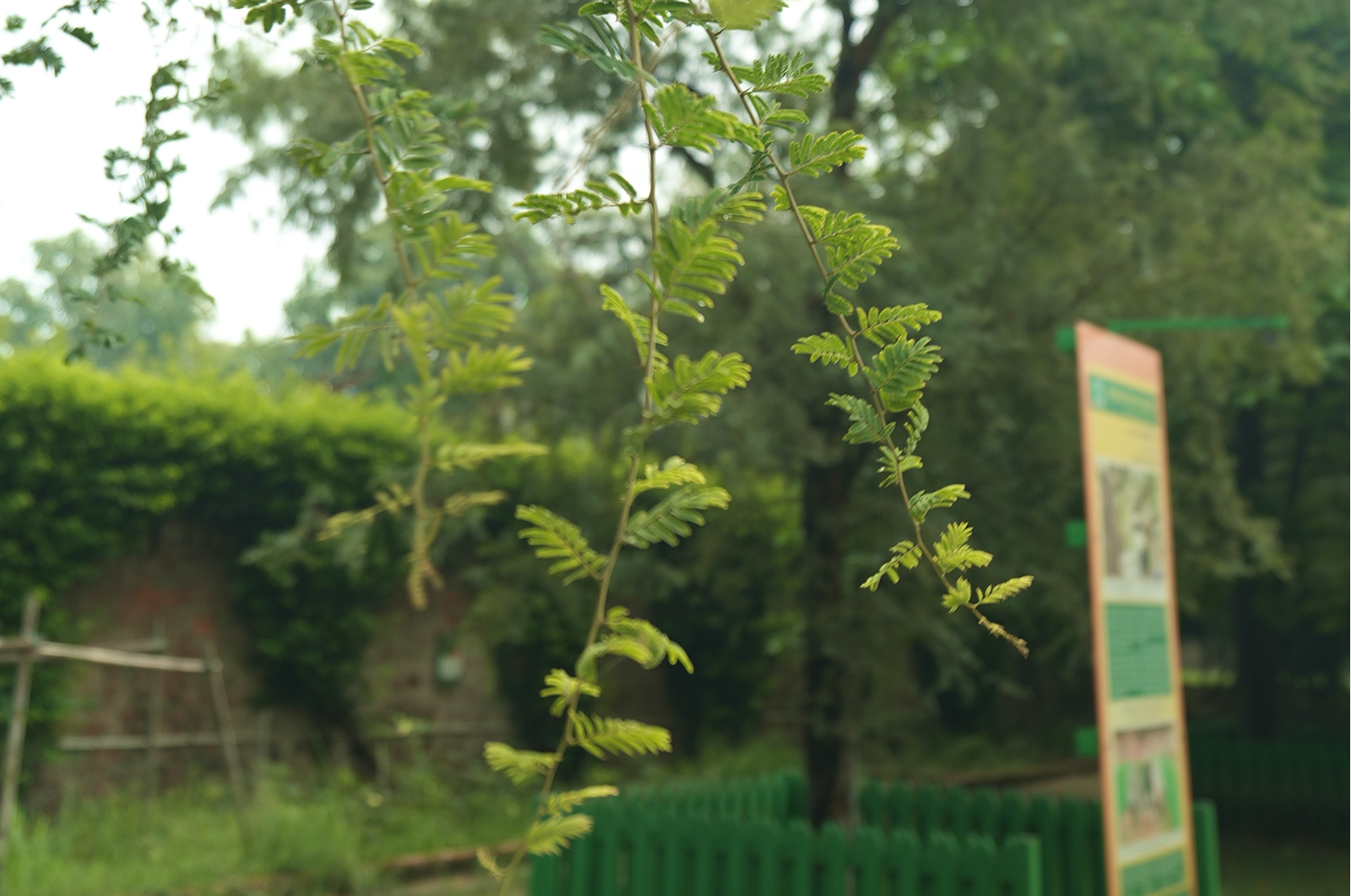
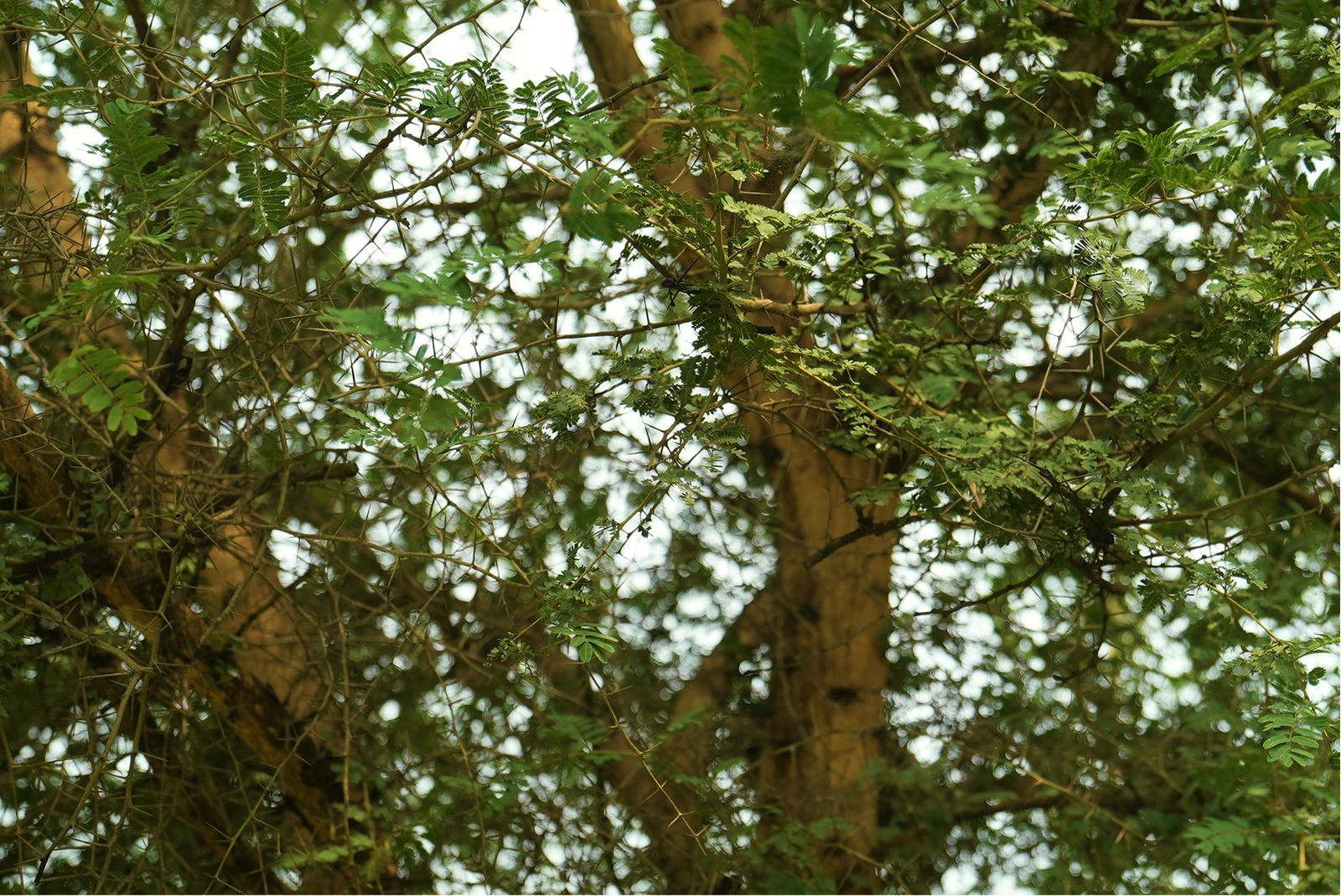
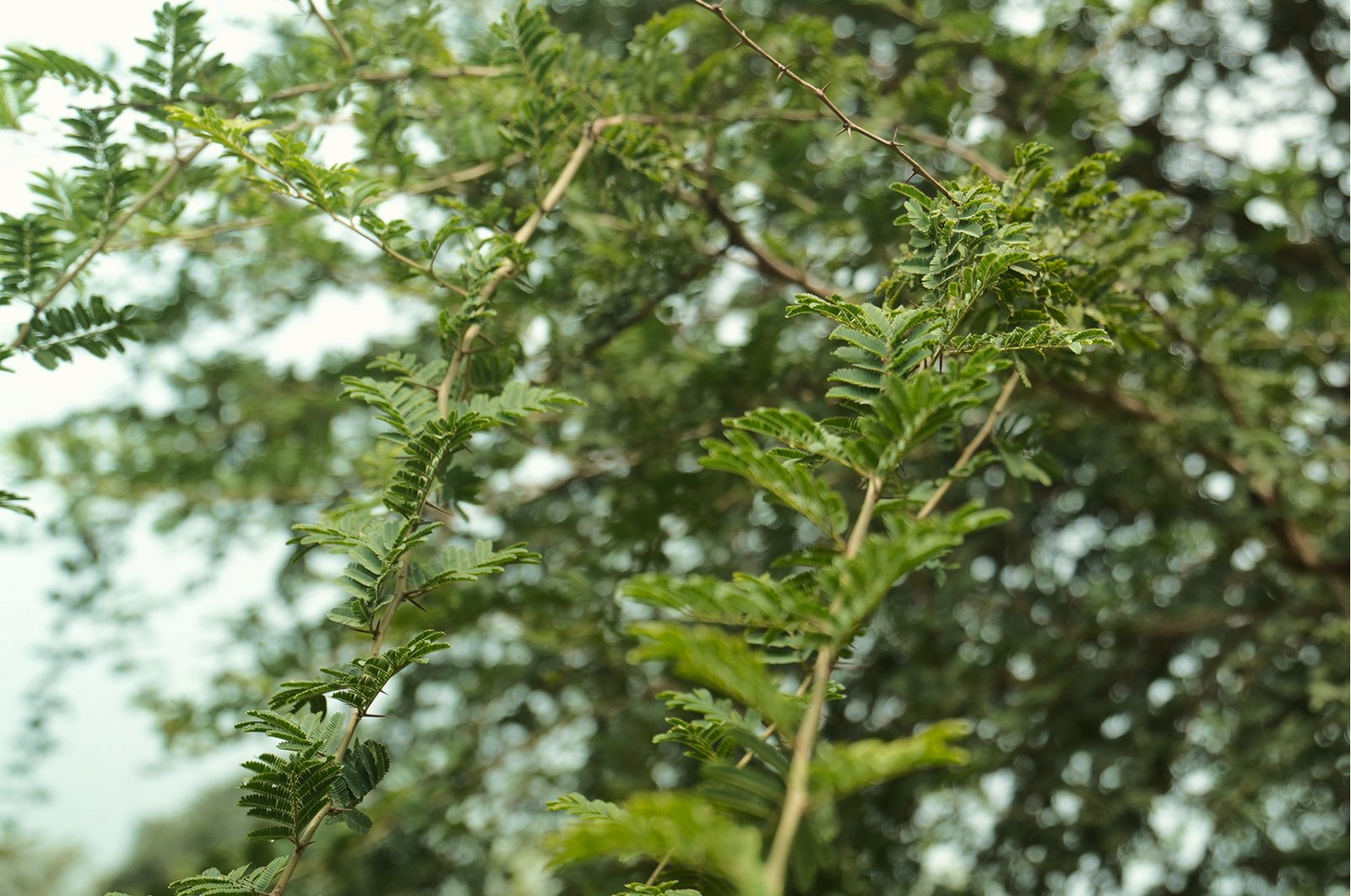
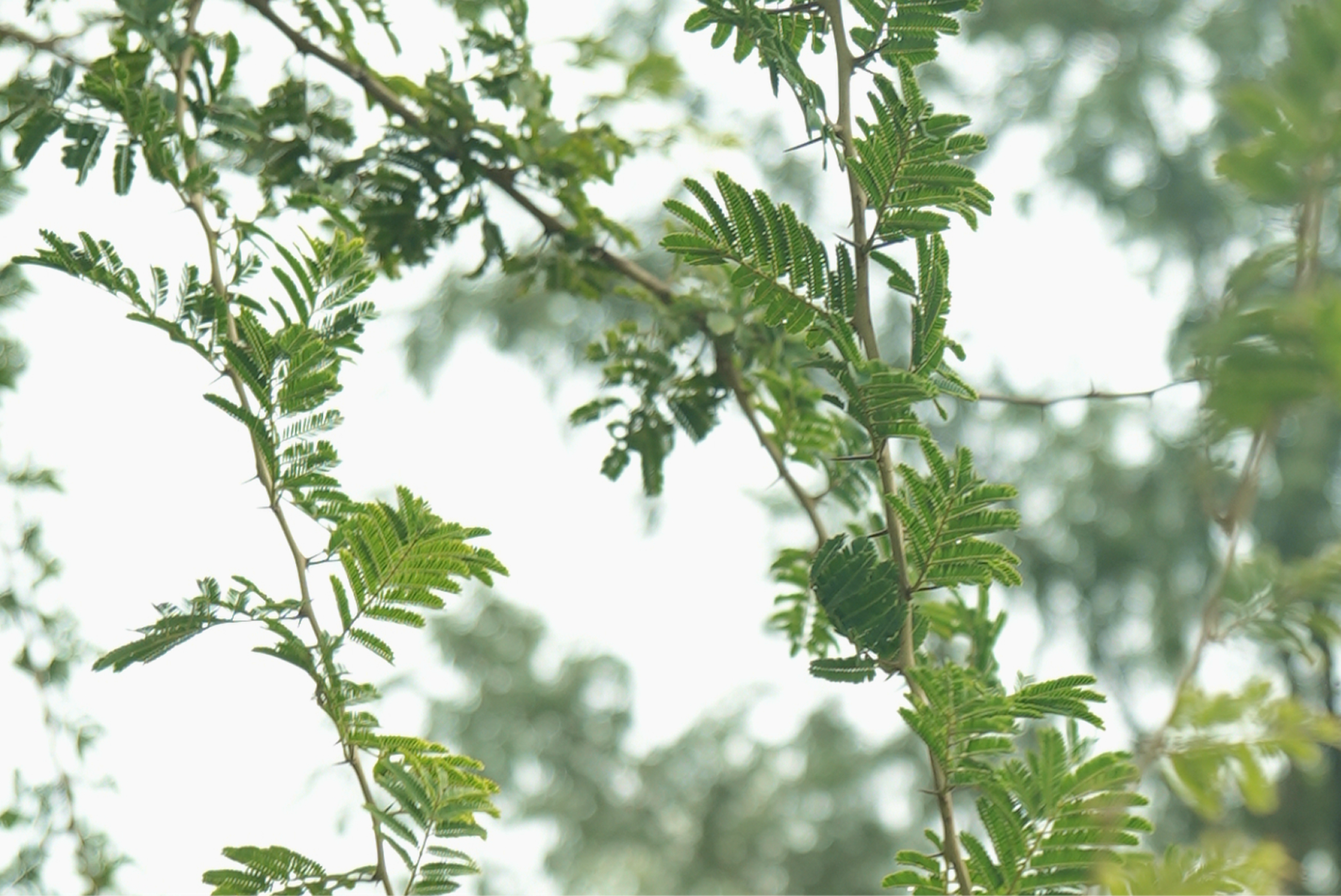
The Reru Tree (Acacia leucophloea) is a rare native species recognized for its distinctive pale bark, spreading canopy, and exceptional ecological value. Once more widespread across the Indian subcontinent, the species has become increasingly uncommon, making surviving mature specimens especially important for conservation.
The sacred Reru Tree at Nandpur is believed to be among the last surviving heritage specimens of its kind in North India. Its preservation contributes not only to Sikh heritage but also to the conservation of a rare and threatened native tree species.
- Species: Acacia leucophloea (Reru)
- Rare Heritage: One of North India's last surviving heritage specimens
- Ecological Value: Supports biodiversity and native conservation
Obtaining viable propagation material from the ageing tree proved exceptionally challenging due to its declining condition. After several years of careful effort, healthy pencil-thick hardwood cuttings were successfully collected and rooted, resulting in genetically identical descendants.
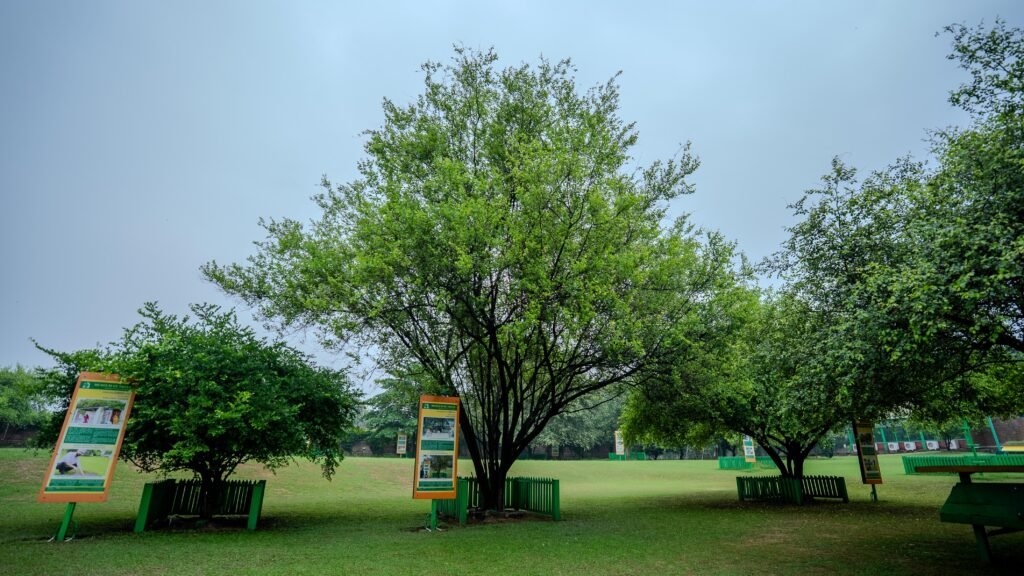
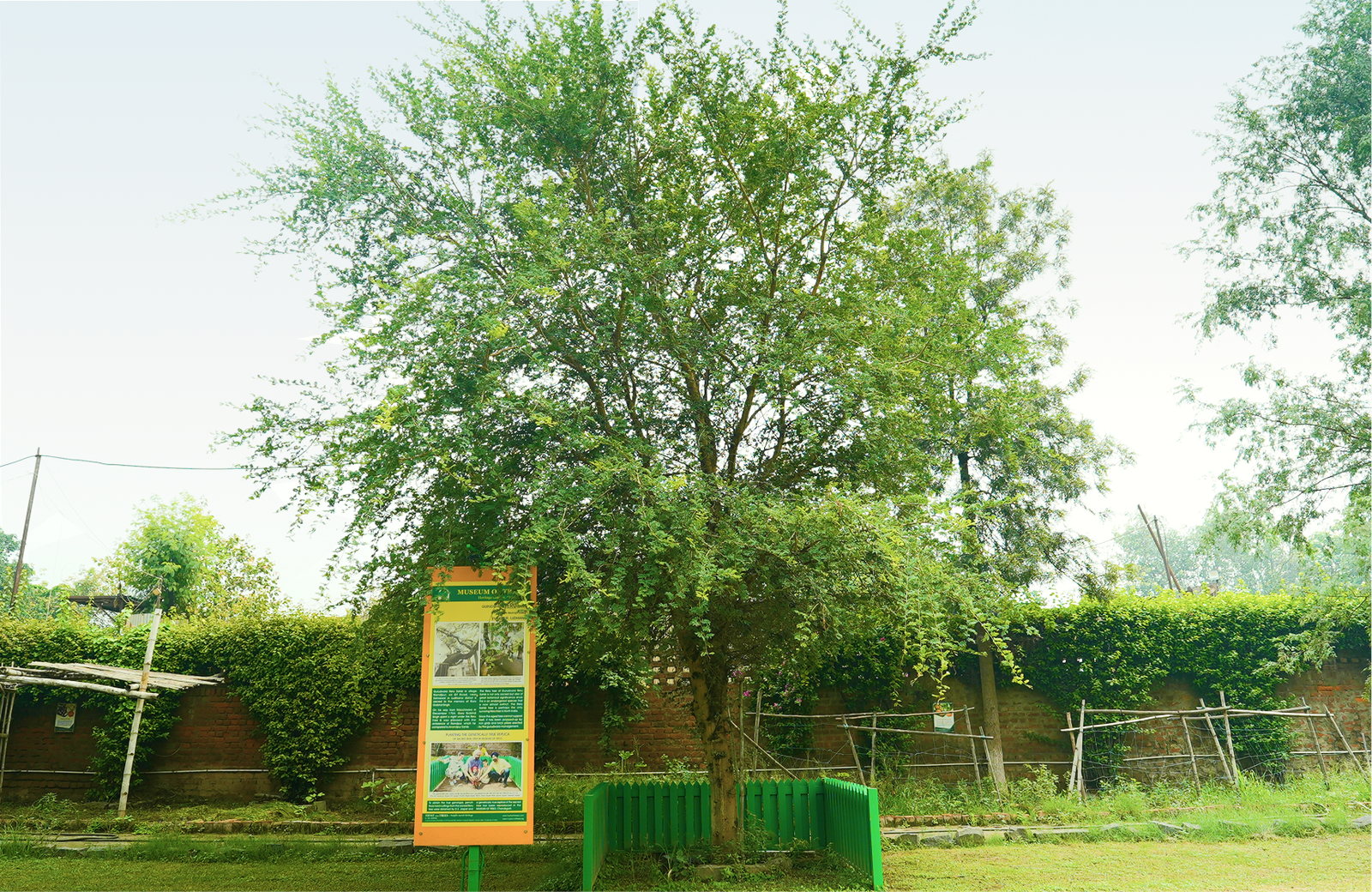
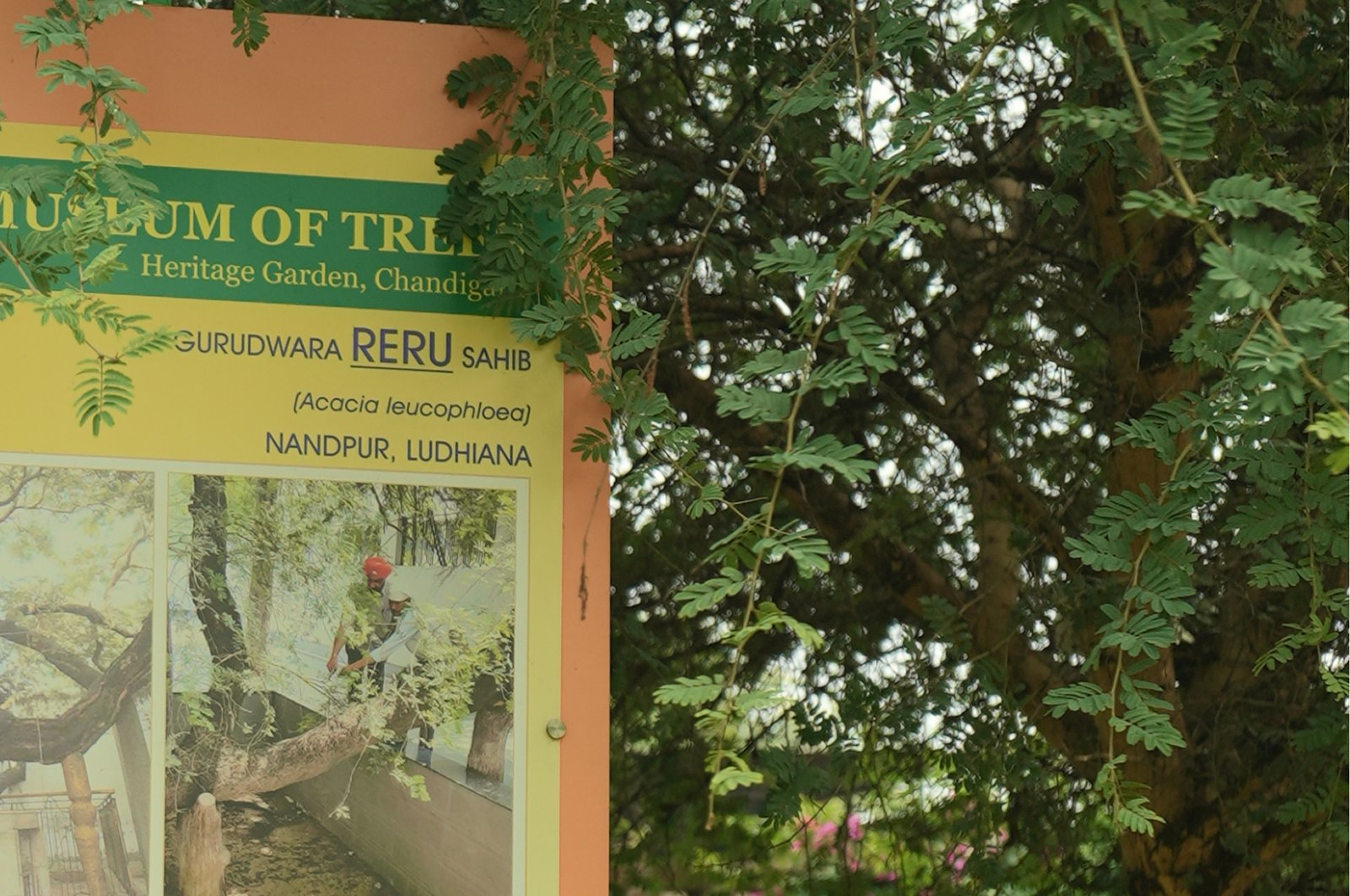
On 21 July 2021, one of these preserved descendants was planted at the Museum of Trees, where it continues to thrive as a living continuation of the original sacred tree.
- Genetic lineage preserved through clonal propagation
- Hardwood cuttings rooted after years of careful effort
- Genetically identical descendant thriving at the Museum of Trees
The Journey of the Sacred Tree
Discover how this historic tree continues to inspire generations.
From its sacred origins to its preserved legacy.
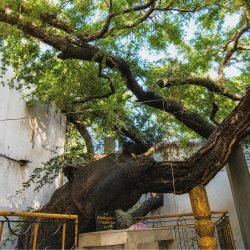
Guru Gobind Singh Ji rested beneath the sacred Reru Tree during his journey from Machhiwara to Nandpur.
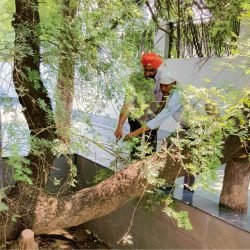
Multiple attempts were made to obtain healthy propagation material from the ageing heritage tree.
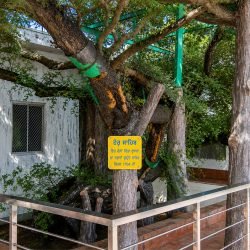
Genetically true hardwood cuttings were successfully rooted, preserving the original tree's genetic lineage.

The preserved descendant was planted within the Museum of Trees, Chandigarh.
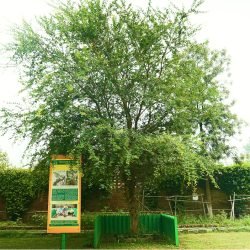
A genetically identical replica continues to flourish at the Museum of Trees, preserving one of North India's rarest and most significant heritage trees.
Why Choose Us
Preserving the Legacy
The sacred Reru Tree is more than a historic landmark—it is both a symbol of Sikh heritage and an important example of botanical conservation. Through scientific clonal propagation, the Museum of Trees has ensured that this rare and endangered species, along with its remarkable historical legacy, continues to inspire future generations.
- Sacred heritage preserved from Gurudwara Reru Sahib, Nandpur
- Associated with Guru Gobind Singh Ji's journey from Machhiwara
- One of the last surviving Reru trees in North India
- Rare species conserved through scientific clonal propagation
- A genetically identical descendant continues to thrive at the Museum of Trees
Our Vision
Our journey began with deep respect for the historical and architectural significance of this iconic Frank Lloyd Wright property. The client came to us with a clear vision: to restore the surrounding landscape across expansive acreage, reimagine the outdoor living areas for modern use, and honor Wright’s hallmark Prairie style. Our purpose was to thoughtfully transform the space while preserving the spirit of its original design.
Our Mission
Approaching an iconic Frank Lloyd Wright property required reverence for its architectural legacy. The client envisioned rejuvenating the natural surroundings, modernizing outdoor living across the estate, and honoring Wright’s Prairie style. Our challenge was to reimagine the landscape in a way that felt both contemporary and true to the original design ethos.
Why Choose Us
Frequently Asked Questions
Why are these trees considered sacred?
Many of the trees are closely connected with Sikh Gurus, historical events, and centuries of devotion. They have become symbols of faith, remembrance, and cultural heritage that continue to inspire millions of visitors.
How does the museum preserve these trees?
The Museum of Trees uses careful propagation and long-term conservation practices to preserve the genetic lineage of each sacred tree while ensuring its story continues to grow for generations.
Are these the original sacred trees?
Yes. We use sustainable, environmentally friendly practices to create and maintain gardens that are healthy for both people and the planet. This includes organic fertilizers, water-efficient irrigation systems, composting, and plant selections that require less water and fewer chemical treatments. We can design your garden to be both beautiful and eco-conscious, so you can enjoy a green space that’s truly “green.”
What makes a tree part of the Museum of Trees?
Every tree in the museum is carefully propagated from a historically and spiritually significant sacred tree associated with Sikh Gurudwaras. Each specimen preserves the living lineage of the original while continuing its legacy for future generations.
How can I support the Museum of Trees?
You can contribute by adopting a tree, making a donation, becoming a member, or partnering with the museum to help preserve India’s living heritage for future generations.