The Story Behind the Tree
Why this tree is sacred?
The Phalahi Tree at Gurudwara Phalahi Sahib, located in Lakhisar near Bathinda, is one of Punjab’s most revered heritage trees. According to Sikh tradition, Guru Gobind Singh Ji rested beneath this magnificent Phalahi tree during his travels through the Malwa region. The site later became an important place of spiritual remembrance, preserving the Guru’s connection with the region and inspiring generations of devotees.
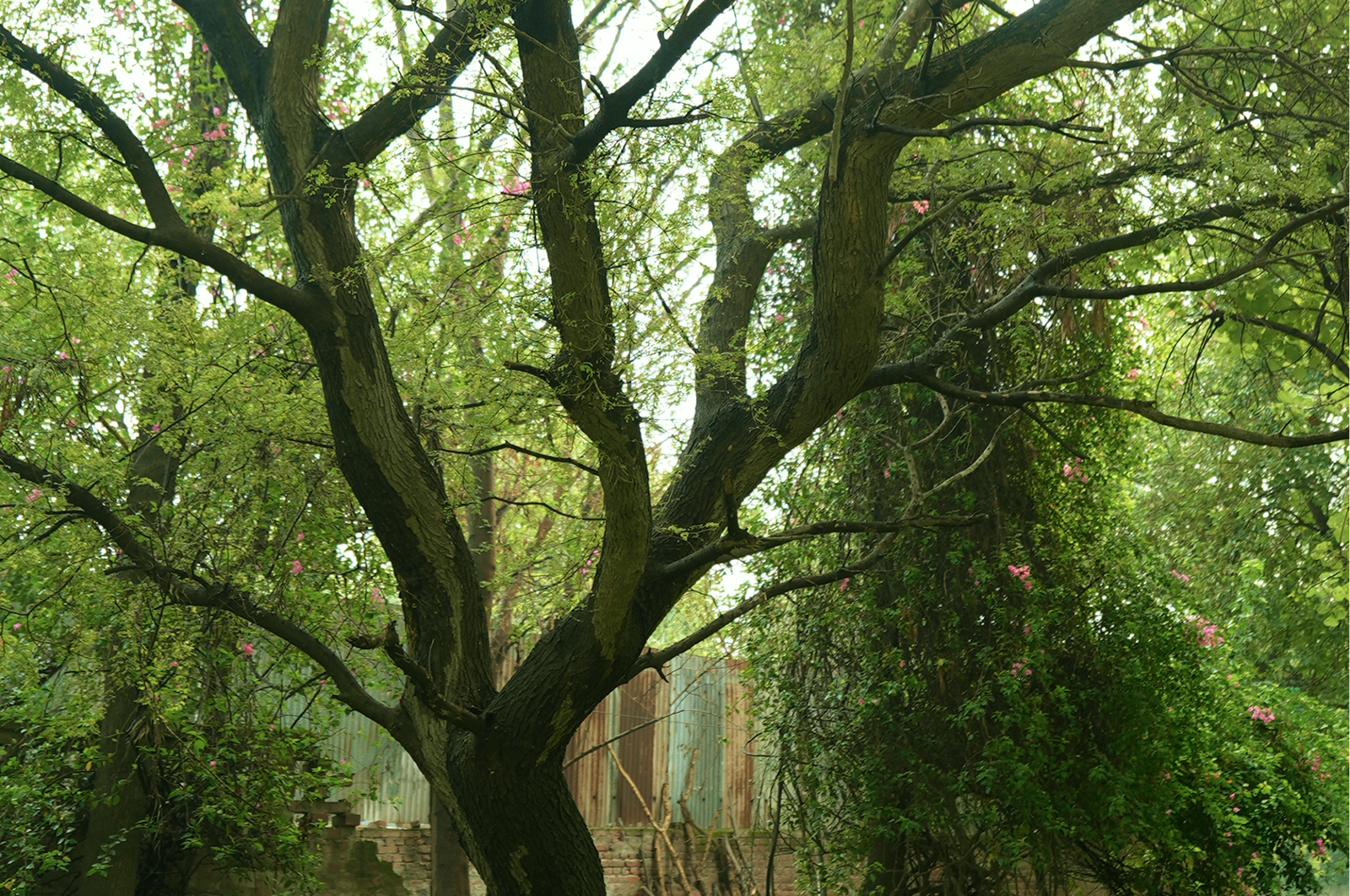
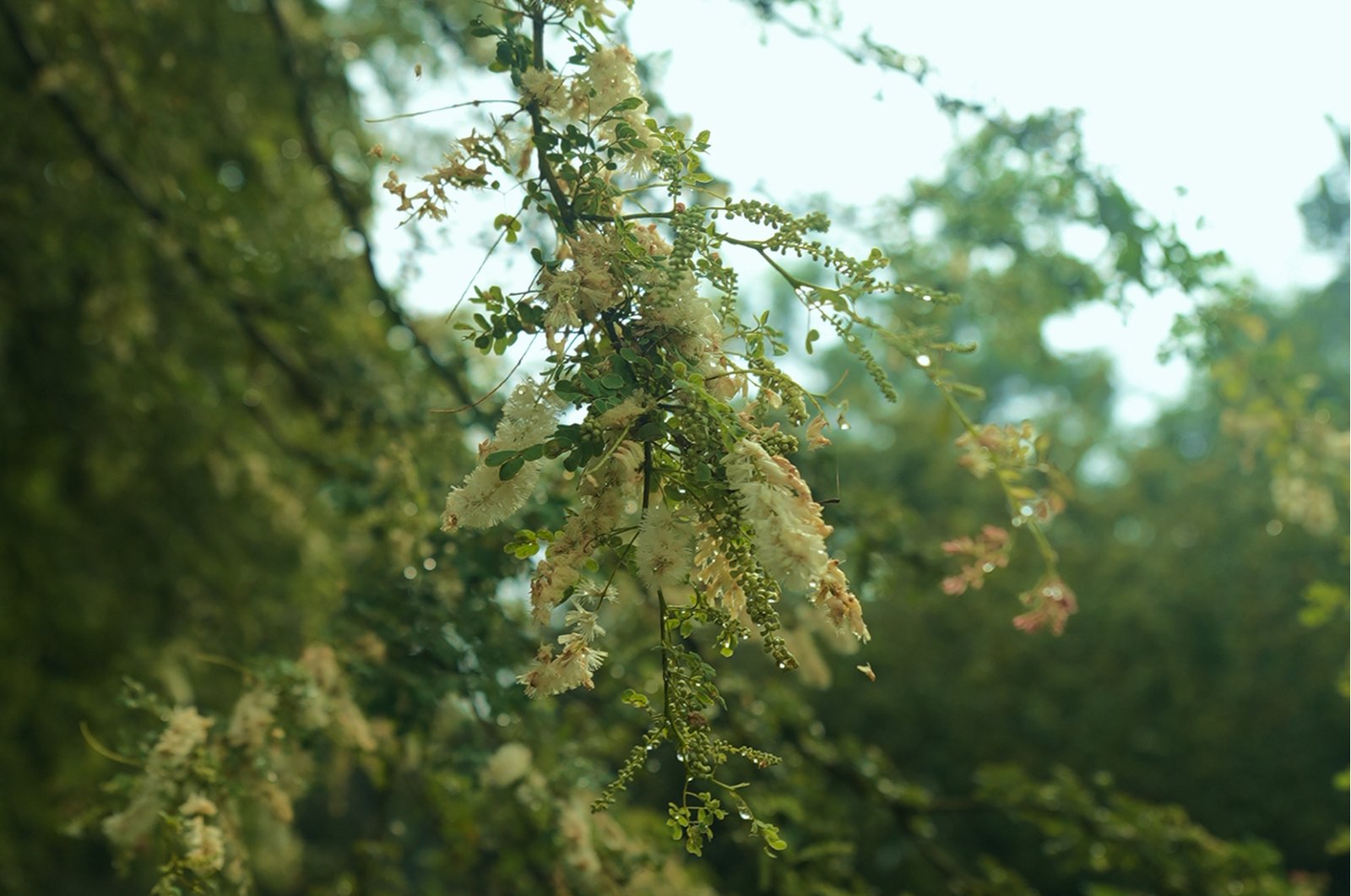
The tree derives its name from the native Phalahi species (Acacia modesta), renowned for its remarkable resilience in Punjab’s dry climate. For centuries, this sacred tree has stood as a living symbol of courage, perseverance, and unwavering faith while continuing to strengthen the bond between Sikh heritage and nature.
The Phalahi Tree is closely associated with Guru Gobind Singh Ji and serves as a symbol of resilience, devotion, and steadfast faith. His presence beneath this tree transformed it into a sacred site where history, spirituality, and nature continue to coexist.
For devotees, the tree represents the enduring teachings of Guru Gobind Singh Ji—courage, righteousness, humility, and service. It continues to inspire visitors as a living reminder of Punjab’s rich spiritual heritage.

For more than three centuries, the Phalahi Tree has remained a cherished landmark at Gurudwara Phalahi Sahib in Lakhi Jungle, preserving an important chapter in Sikh history.
Recognizing its extraordinary historical, spiritual, and ecological value, the Museum of Trees initiated scientific conservation through clonal propagation, ensuring that its unique genetic lineage would continue to thrive for generations to come.
- Original Location — Gurudwara Phalahi Sahib, Lakhisar, Bathinda
- Historical Period —Over 300 Years Old
- Associated With — Guru Gobind Singh Ji
- Enduring Legacy— A Living Symbol of Faith & Resilience
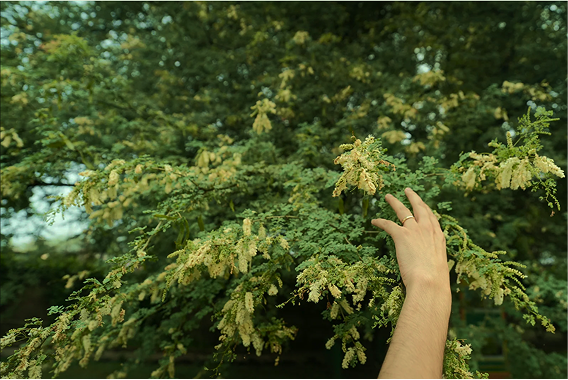
The Phalahi Tree (Acacia modesta) is a hardy native species well adapted to the semi-arid landscapes of northwestern India. Known for its exceptional drought tolerance and longevity, it plays an important ecological role by enriching biodiversity and providing shelter for birds and wildlife.
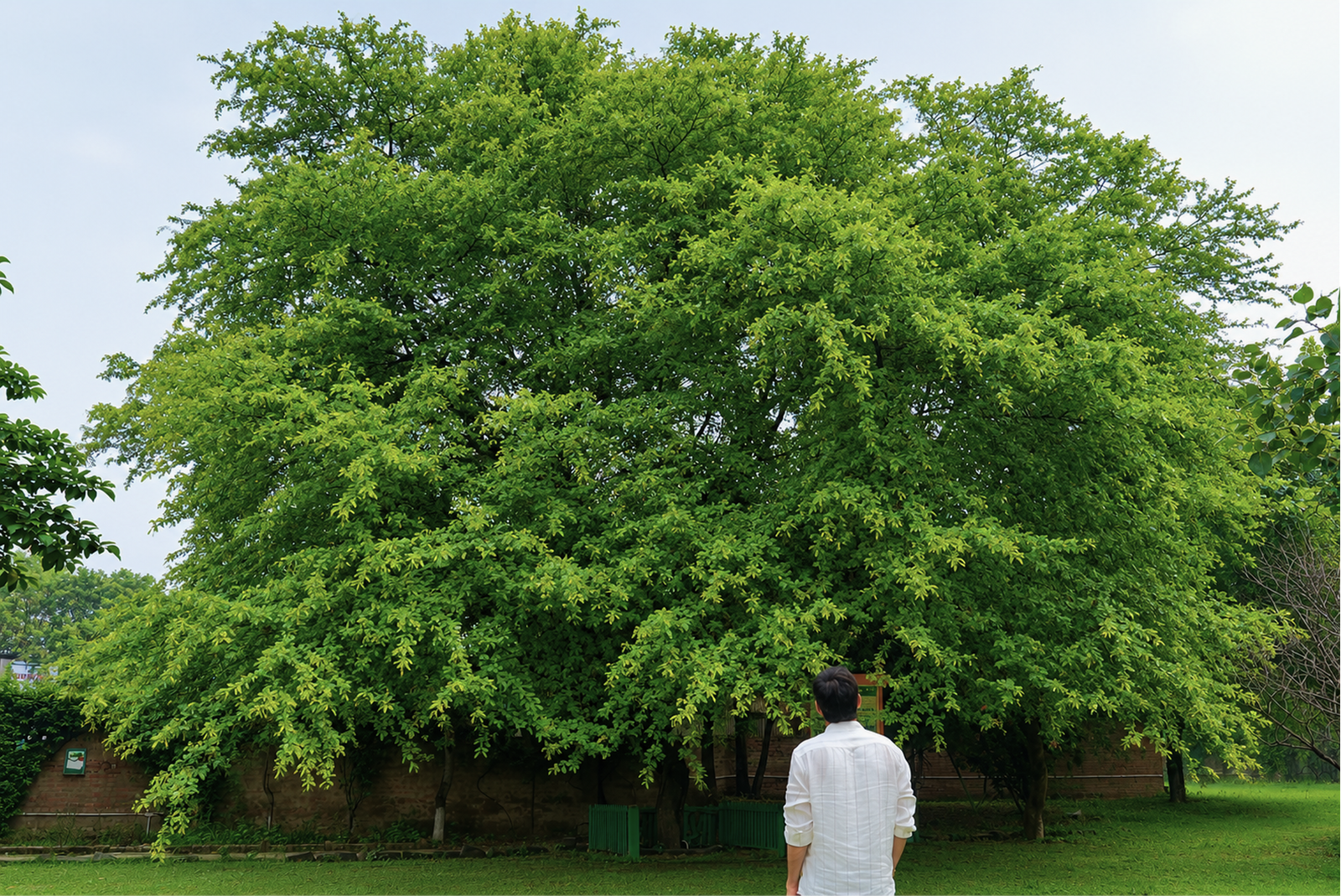
Its broad canopy and deep root system help stabilize the surrounding environment, making it not only a culturally significant heritage tree but also an ecologically valuable native species.
- Species: Acacia modesta (Phalahi)
- Climate Adaptation: Highly drought-tolerant native species
- Ecological Value: Supports biodiversity and stabilizes the ecosystem
To preserve the sacred legacy of the original Phalahi Tree, the Museum of Trees undertook scientific clonal propagation using carefully selected propagation material.
Healthy cuttings were collected without disturbing the original heritage tree, nurtured under controlled mist chamber conditions, and successfully established within the Museum. Today, a genetically identical descendant continues to flourish, safeguarding this remarkable living heritage for future generations.
- Genetic lineage preserved through clonal propagation
- Rooted under controlled mist chamber conditions
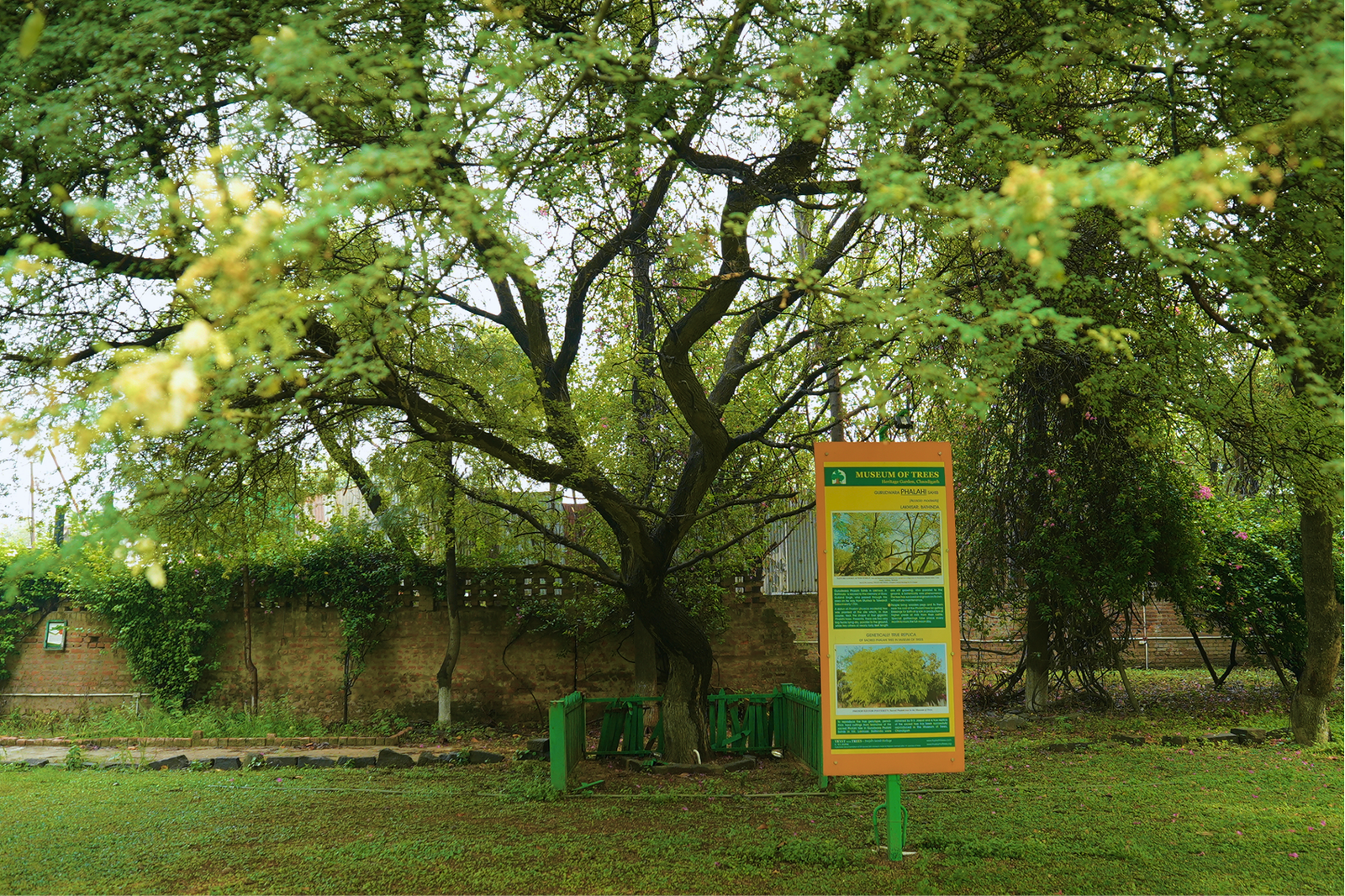
- Genetically identical descendant thriving at the Museum of Trees
The Journey of the Sacred Tree
Discover how this historic tree continues to inspire generations.
From its sacred origins to its preserved legacy.
The sacred Phalahi Tree associated with Guru Gobind Singh Ji stands at Gurudwara Phalahi Sahib, Lakhisar.
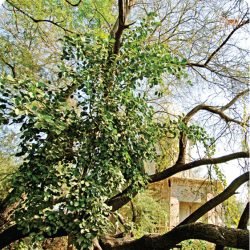
Healthy, genetically true cuttings collected carefully from the original heritage tree..

The cuttings were rooted under controlled mist chamber conditions to encourage healthy root development.
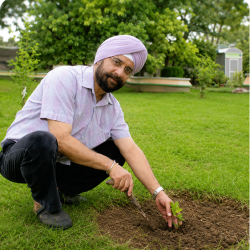
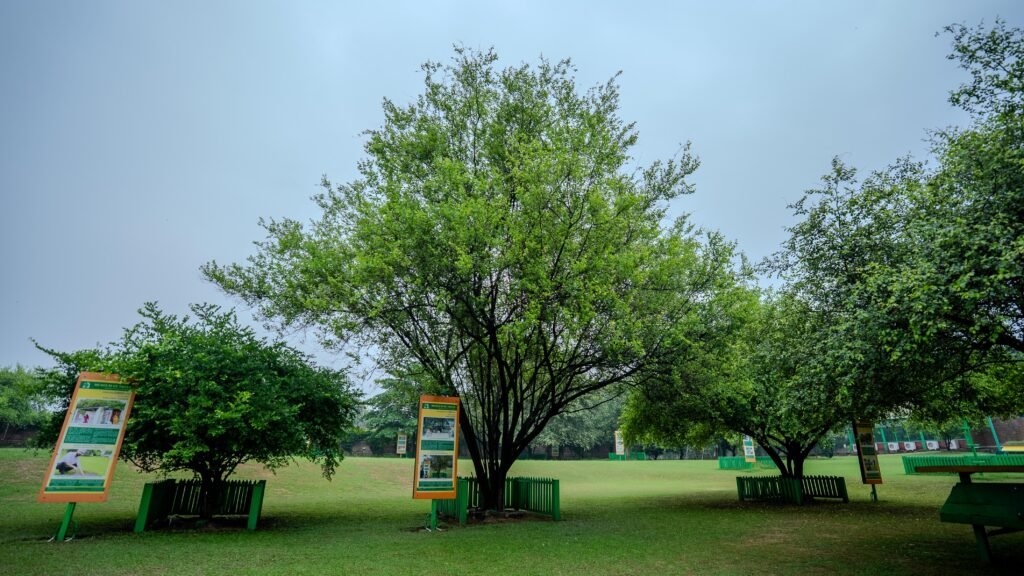
The preserved descendant was successfully planted within the Museum of Trees.
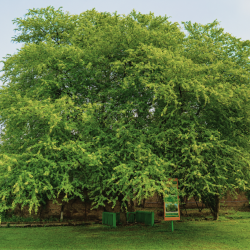
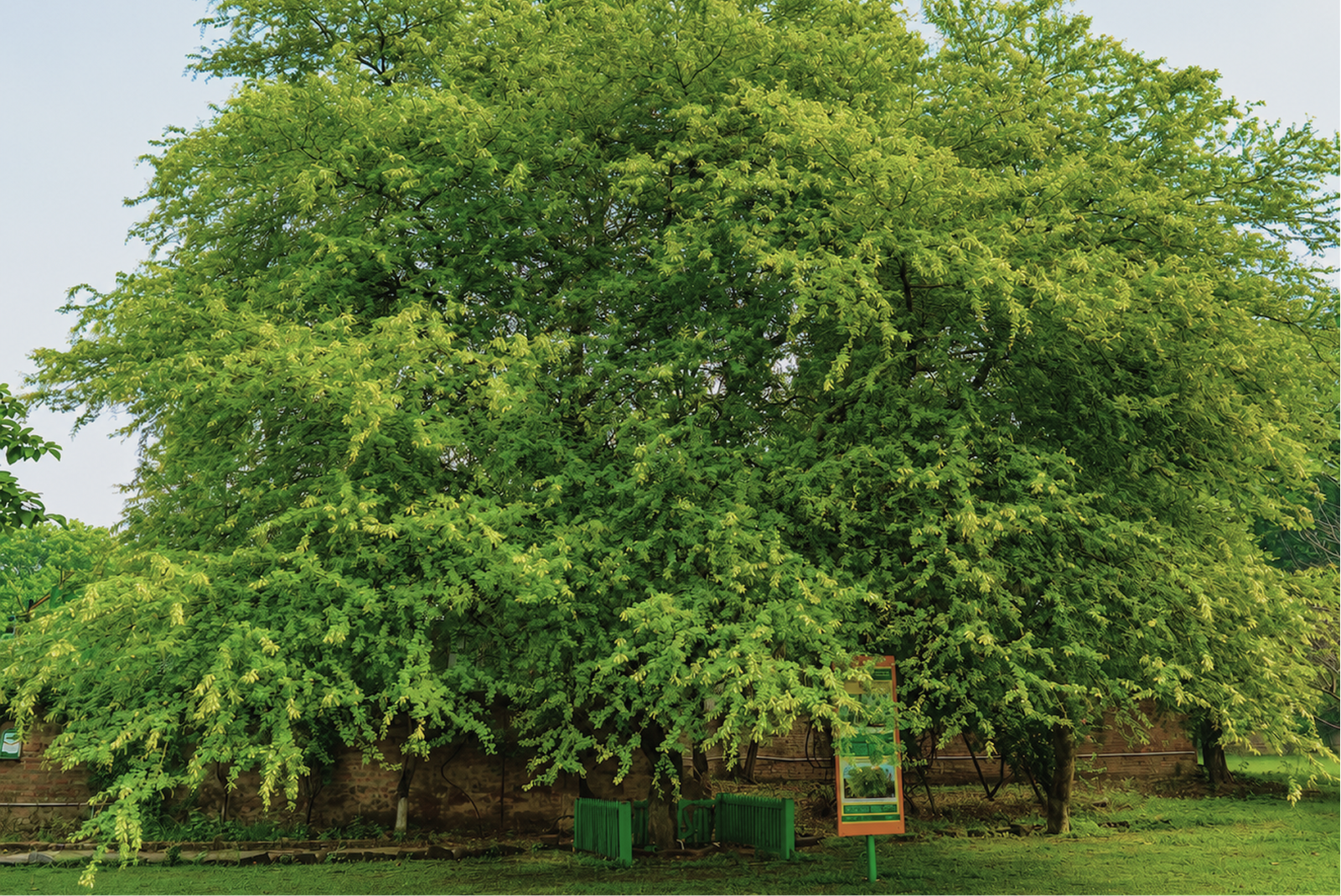
A thriving replica continues to preserve the sacred genetic lineage while educating visitors about Punjab's rich spiritual and ecological heritage.
Why Choose Us
Preserving the Legacy
For centuries, Gurudwara Phalahi Sahib has protected the sacred Phalahi Tree associated with Guru Gobind Singh Ji. Today, the Museum of Trees extends this legacy through scientific conservation, preserving its genetically identical descendants so that this extraordinary heritage continues to inspire future generations.
- Sacred heritage preserved at Gurudwara Phalahi Sahib
- Associated with Guru Gobind Singh Ji's historic journey
- Genetic lineage conserved through clonal propagation
- A living descendant continues to thrive at the Museum of Trees
Our Vision
Our journey began with deep respect for the historical and architectural significance of this iconic Frank Lloyd Wright property. The client came to us with a clear vision: to restore the surrounding landscape across expansive acreage, reimagine the outdoor living areas for modern use, and honor Wright’s hallmark Prairie style. Our purpose was to thoughtfully transform the space while preserving the spirit of its original design.
Our Mission
Approaching an iconic Frank Lloyd Wright property required reverence for its architectural legacy. The client envisioned rejuvenating the natural surroundings, modernizing outdoor living across the estate, and honoring Wright’s Prairie style. Our challenge was to reimagine the landscape in a way that felt both contemporary and true to the original design ethos.
Why Choose Us
Frequently Asked Questions
Why are these trees considered sacred?
Many of the trees are closely connected with Sikh Gurus, historical events, and centuries of devotion. They have become symbols of faith, remembrance, and cultural heritage that continue to inspire millions of visitors.
How does the museum preserve these trees?
The Museum of Trees uses careful propagation and long-term conservation practices to preserve the genetic lineage of each sacred tree while ensuring its story continues to grow for generations.
Are these the original sacred trees?
Yes. We use sustainable, environmentally friendly practices to create and maintain gardens that are healthy for both people and the planet. This includes organic fertilizers, water-efficient irrigation systems, composting, and plant selections that require less water and fewer chemical treatments. We can design your garden to be both beautiful and eco-conscious, so you can enjoy a green space that’s truly “green.”
What makes a tree part of the Museum of Trees?
Every tree in the museum is carefully propagated from a historically and spiritually significant sacred tree associated with Sikh Gurudwaras. Each specimen preserves the living lineage of the original while continuing its legacy for future generations.
How can I support the Museum of Trees?
You can contribute by adopting a tree, making a donation, becoming a member, or partnering with the museum to help preserve India’s living heritage for future generations.