The Story Behind the Tree
Why this tree is sacred?
The historic Beri Tree was planted by Shaheed Bhagat Singh in 1917, when he was only ten years old, in the courtyard of his ancestral home at Village Banga (then Lyallpur, now Faisalabad, Pakistan).
Its story is deeply connected with the 1907 Farmers’ Movement, one of Punjab’s earliest organised protests against the British colonial government’s anti-farmer laws. These laws denied peasants the freedom to cut trees on their own land, construct homes, or freely buy and sell agricultural property.
Inspired by the movement led by his uncle Sardar Ajit Singh, young Bhagat Singh planted the Beri tree as a symbolic act of resistance and hope. Over the following decades, the tree became a silent witness to the life of one of India’s greatest freedom fighters and remains a powerful symbol of patriotism, courage, and sacrifice.
The Beri Tree represents the early awakening of Bhagat Singh’s revolutionary spirit. Although planted during his childhood, it reflects the ideals that would later define his life—standing against injustice, defending the rights of ordinary people, and fighting fearlessly for freedom.
Located beside the house where Bhagat Singh was born, the tree continues to preserve the memory of his formative years. The birthplace has since been transformed into a memorial museum, making the tree an important part of the shared historical heritage of India and Pakistan.

For more than a century, the Beri Tree has stood in the courtyard of Shaheed Bhagat Singh’s ancestral home, preserving an important chapter in the history of India’s freedom movement.
On 25 January 2020, conservationist D.S. Jaspal, accompanied by Aman Jaspal and Aisha Akram, visited the historic site in Pakistan with the assistance of the property’s caretaker, Ch. Saqib Iqbal Virk. Healthy cuttings were carefully collected from the original Beri Tree to preserve its unique genetic lineage.
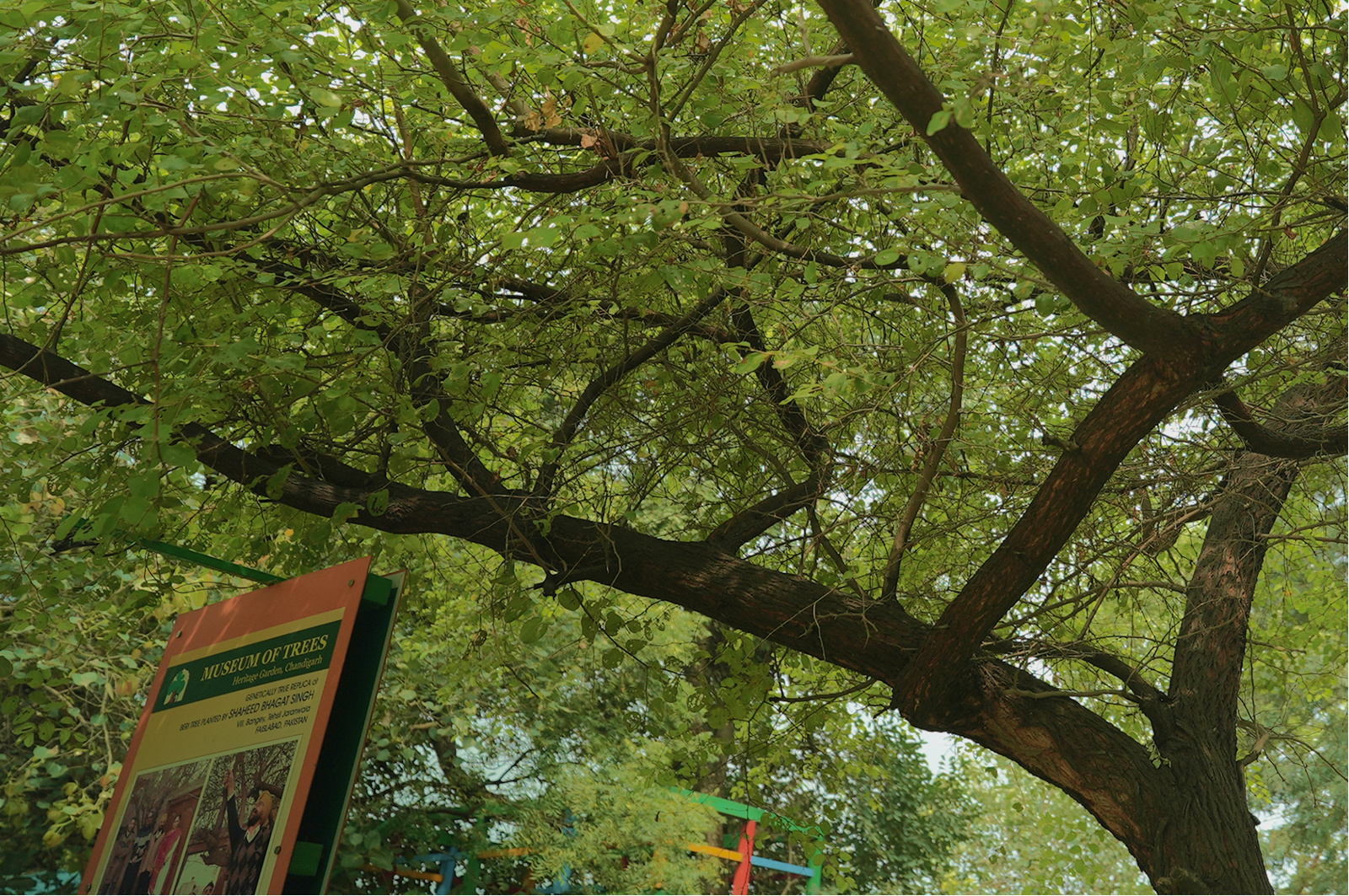
After returning to India, the cuttings were immediately prepared, sealed to retain moisture, and placed in root trainers before being transferred to the Museum’s mist chamber for propagation. Through scientific conservation, a genetically identical descendant was successfully produced and planted at the Museum of Trees.
- Original Location — Village Banga (Bangey), Tehsil Jaranwala, Faisalabad, Pakistan
- Planted By — Shaheed Bhagat Singh (1917)
- Historic Significance — Symbol of India's Freedom Movement
- Enduring Legacy — A Living Symbol of Courage & Patriotism
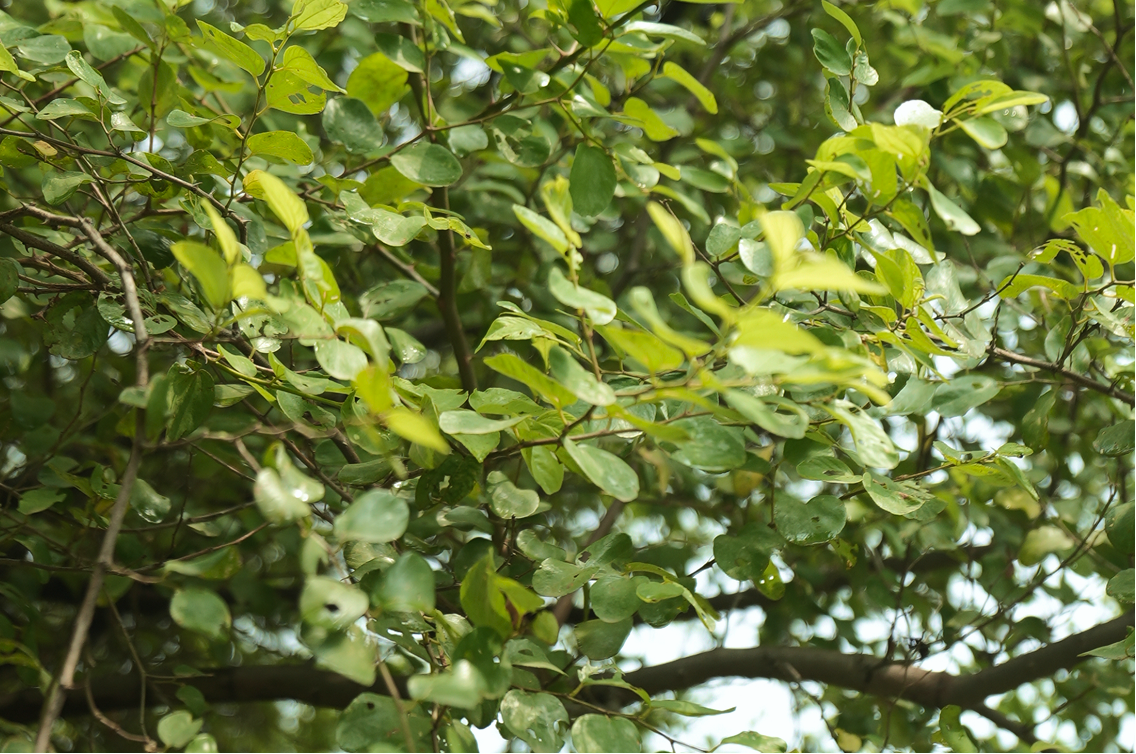
The sacred Beri Tree (Ziziphus mauritiana) is one of the Indian subcontinent’s most resilient native species, valued for its longevity, adaptability, and ecological importance.
Its broad canopy provides food and shelter for birds and wildlife while contributing to biodiversity within its surroundings. Beyond its ecological value, this particular Beri Tree carries exceptional historical significance as a living witness to the childhood and legacy of Shaheed Bhagat Singh.
- Ziziphus mauritiana (Sacred Beri)
- Ecological Value: Supports biodiversity and native wildlife
- Historical Heritage: Living witness to Shaheed Bhagat Singh's legacy
Recognizing the extraordinary historical importance of the Beri Tree, the Museum of Trees initiated scientific clonal propagation to preserve its original genetic lineage.
On 25 January 2020, carefully selected hardwood cuttings were collected from the historic tree in Pakistan. To maximise survival, the cut ends were sealed with wax to retain moisture before being transported to Chandigarh. Upon arrival, the cuttings were placed in root trainers and nurtured under controlled mist chamber conditions until healthy roots developed.
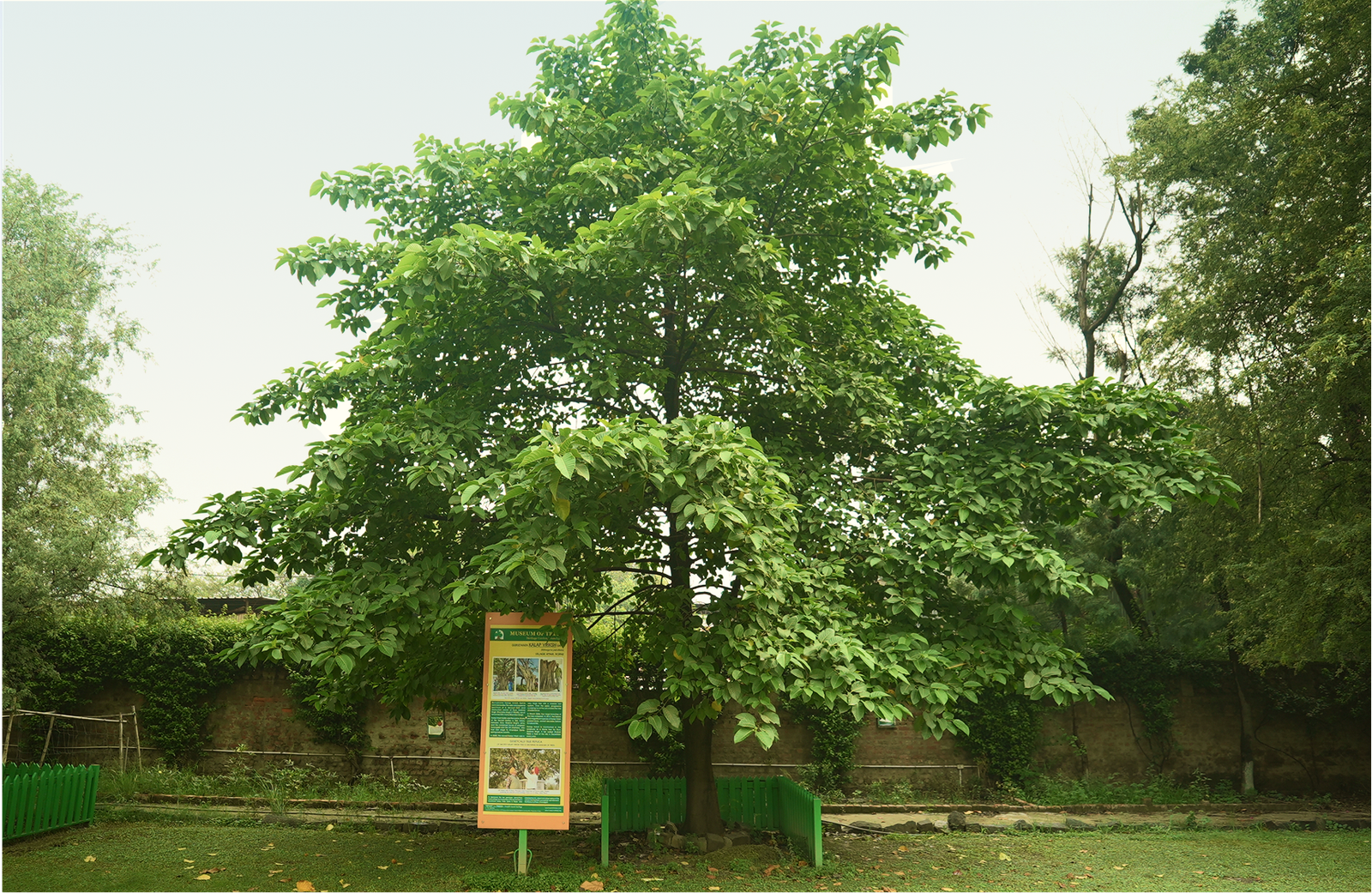
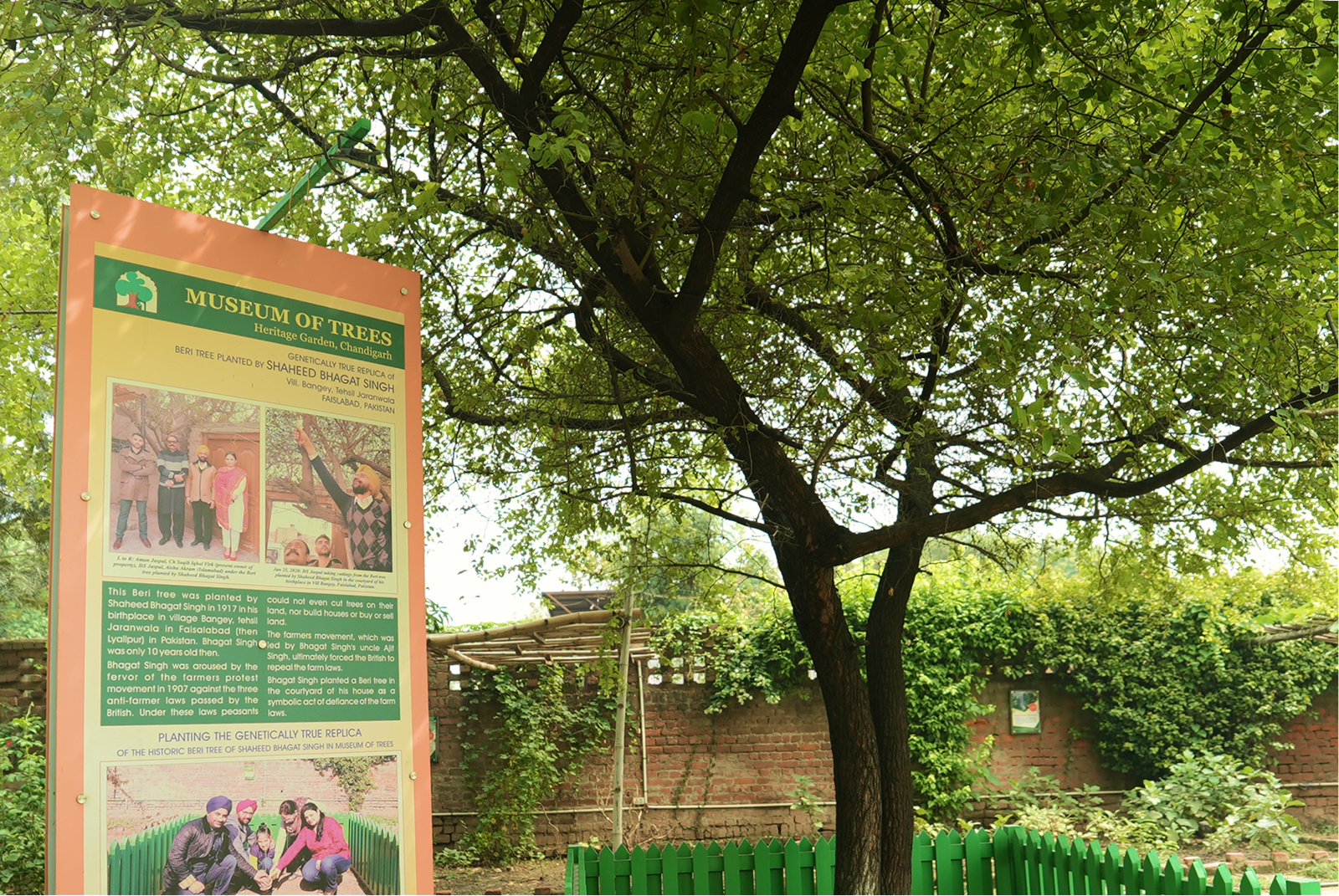
The conservation effort proved successful, and on 27 December 2021, the genetically identical descendant was ceremonially planted at the Museum of Trees, ensuring that this living symbol of India’s freedom struggle continues to inspire future generations.
- Genetic lineage preserved through clonal propagation
- Hardwood cuttings rooted under controlled mist chamber conditions
- Genetically identical descendant thriving at the Museum of Trees
The Journey of the Sacred Tree
Discover how this historic tree continues to inspire generations.
From its sacred origins to its preserved legacy.
Young Shaheed Bhagat Singh plants the Beri Tree in the courtyard of his ancestral home at Village Banga.
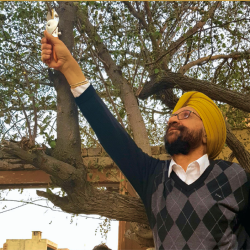
Healthy cuttings collected from the historic tree by D.S. Jaspal and his conservation team.
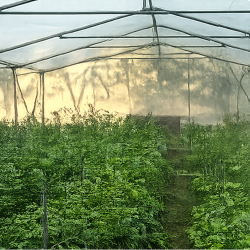
The cuttings were carefully prepared, rooted under controlled mist chamber conditions, and monitored for healthy growth.
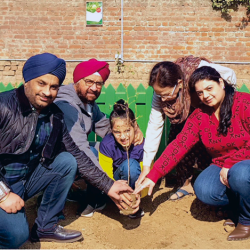
The genetically true replica was planted within the Museum of Trees, Chandigarh.
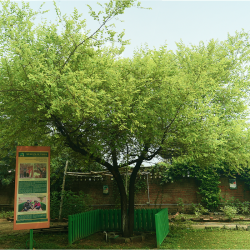
A thriving descendant preserves the living legacy of Shaheed Bhagat Singh, connecting visitors with one of the most significant symbols of India's freedom movement.
The Journey of the Sacred Tree
Discover how this historic tree continues to inspire generations.
From its sacred origins to its preserved legacy.
Young Shaheed Bhagat Singh plants the Beri Tree in the courtyard of his ancestral home at Village Banga.
Healthy cuttings collected from the historic tree by D.S. Jaspal and his conservation team.
The cuttings were carefully prepared, rooted under controlled mist chamber conditions, and monitored for healthy growth.
The genetically true replica was planted within the Museum of Trees, Chandigarh.
A thriving descendant preserves the living legacy of Shaheed Bhagat Singh, connecting visitors with one of the most significant symbols of India's freedom movement.
Why Choose Us
Preserving the Legacy
The Beri Tree planted by Shaheed Bhagat Singh is far more than a historic tree—it is a living reminder of courage, sacrifice, and the fight for justice. Through scientific clonal propagation, the Museum of Trees has ensured that this extraordinary symbol of India’s freedom movement continues to grow for future generations.
- Historic Beri Tree planted by Shaheed Bhagat Singh in 1917
- Located at his ancestral home in Village Banga, Faisalabad, Pakistan
- Genetic lineage preserved through scientific clonal propagation
- A living descendant continues to thrive at the Museum of Trees
- Symbol of resistance against colonial anti-farmer laws
Our Vision
Our journey began with deep respect for the historical and architectural significance of this iconic Frank Lloyd Wright property. The client came to us with a clear vision: to restore the surrounding landscape across expansive acreage, reimagine the outdoor living areas for modern use, and honor Wright’s hallmark Prairie style. Our purpose was to thoughtfully transform the space while preserving the spirit of its original design.
Our Mission
Approaching an iconic Frank Lloyd Wright property required reverence for its architectural legacy. The client envisioned rejuvenating the natural surroundings, modernizing outdoor living across the estate, and honoring Wright’s Prairie style. Our challenge was to reimagine the landscape in a way that felt both contemporary and true to the original design ethos.
Why Choose Us
Frequently Asked Questions
Why are these trees considered sacred?
Many of the trees are closely connected with Sikh Gurus, historical events, and centuries of devotion. They have become symbols of faith, remembrance, and cultural heritage that continue to inspire millions of visitors.
How does the museum preserve these trees?
The Museum of Trees uses careful propagation and long-term conservation practices to preserve the genetic lineage of each sacred tree while ensuring its story continues to grow for generations.
Are these the original sacred trees?
Yes. We use sustainable, environmentally friendly practices to create and maintain gardens that are healthy for both people and the planet. This includes organic fertilizers, water-efficient irrigation systems, composting, and plant selections that require less water and fewer chemical treatments. We can design your garden to be both beautiful and eco-conscious, so you can enjoy a green space that’s truly “green.”
What makes a tree part of the Museum of Trees?
Every tree in the museum is carefully propagated from a historically and spiritually significant sacred tree associated with Sikh Gurudwaras. Each specimen preserves the living lineage of the original while continuing its legacy for future generations.
How can I support the Museum of Trees?
You can contribute by adopting a tree, making a donation, becoming a member, or partnering with the museum to help preserve India’s living heritage for future generations.