The Story Behind the Tree
Why this tree is sacred?
The Kalap Vriksh at Gurudwara Kalap Vriksh Sahib in Attari, Rupnagar, is one of Punjab’s most remarkable heritage trees. It commemorates the bravery and supreme sacrifice of Bhai Uday Singh Ji, the devoted Sikh warrior and son of the renowned martyr Bhai Mani Singh Ji.
According to Sikh history, the site witnessed one of the fiercest battles fought during the prolonged Siege of Anandpur Sahib, where Guru Gobind Singh Ji’s forces defended the fort against the combined armies of Emperor Aurangzeb and the hill chiefs. The Kalap Vriksh became a silent witness to these historic events, preserving centuries of courage, resilience, and unwavering faith.
The tree is also mentioned in Sikh scriptures as a divine tree by Guru Gobind Singh Ji, making it a place of immense religious significance. Every year, devotees gather here during the Shaheedi Mela to honour the sacrifices associated with this sacred site.
The Kalap Vriksh symbolizes courage, sacrifice, and steadfast devotion to righteousness. Its association with Guru Gobind Singh Ji, Bhai Uday Singh Ji, and the historic events of Anandpur Sahib has transformed it into a revered place of remembrance for Sikh devotees.
Beyond its historical importance, the tree represents the enduring values of selfless service, resilience, and faith. For generations, it has inspired visitors as a living reminder of Sikh history and the sacrifices made in defence of justice and धर्म (Dharam).

For centuries, the Kalap Vriksh stood at Gurudwara Kalap Vriksh Sahib as one of Punjab’s largest and oldest heritage trees, developing an enormous trunk and root system that reflected its extraordinary age.
Over time, progressive soil erosion exposed its massive roots, weakening the tree’s stability. In March 2006, four of its largest branches collapsed, and despite continued efforts to preserve it, the historic tree gradually declined. By 2013, the original Kalap Vriksh had completed its natural life cycle.
Fortunately, before its decline, conservation efforts had already begun. Through scientific propagation, its unique genetic lineage was successfully preserved, allowing the tree’s legacy to continue within the Museum of Trees.
- Original Location — Gurudwara Kalap Vriksh Sahib, Attari, Rupnagar (Ropar), Punjab
- Historical Association — Bhai Uday Singh Ji & Guru Gobind Singh Ji
- Historical Period — Over 500 Years Old
- Enduring Legacy — A Living Symbol of Courage, Sacrifice & Faith
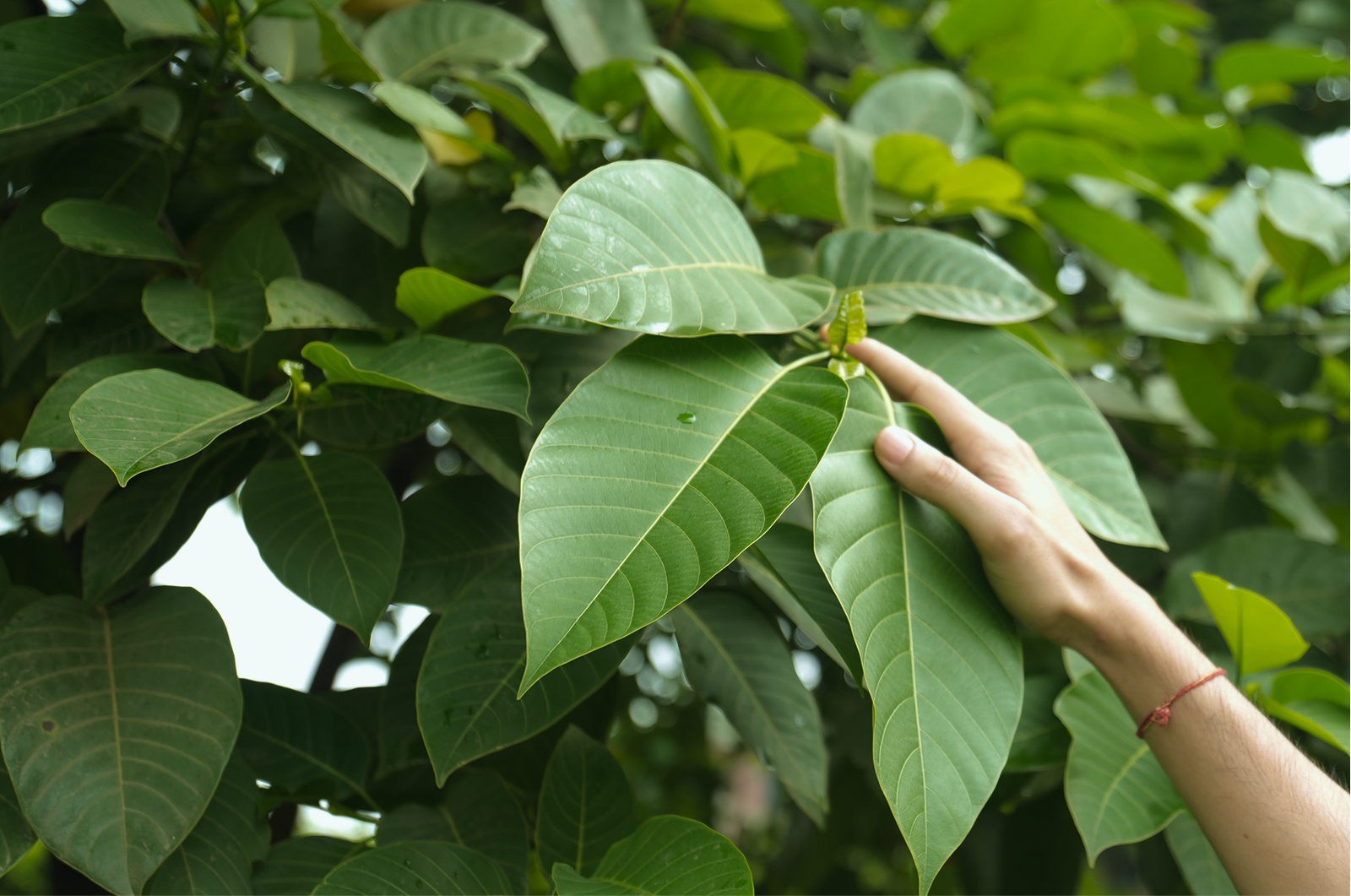
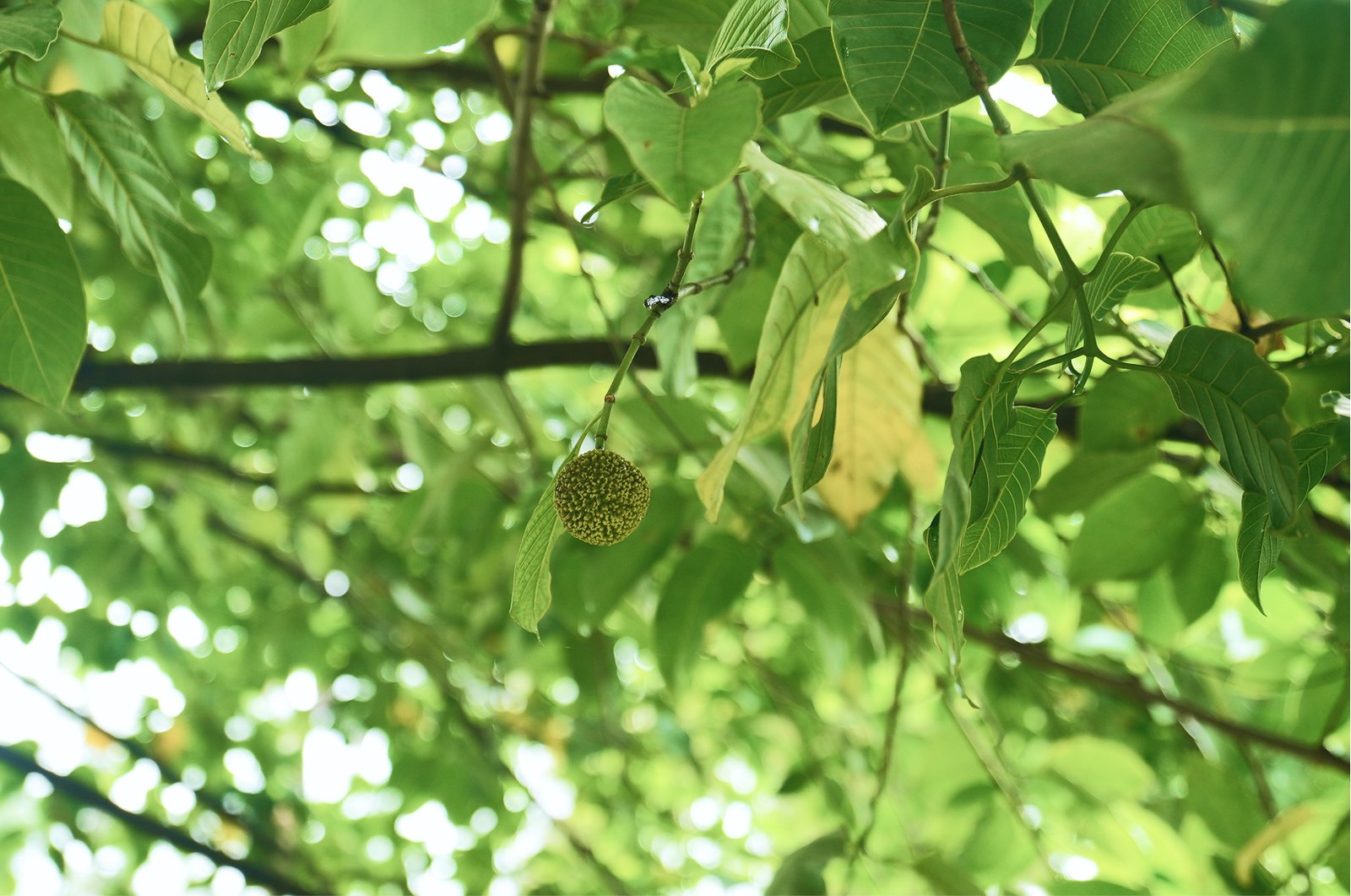
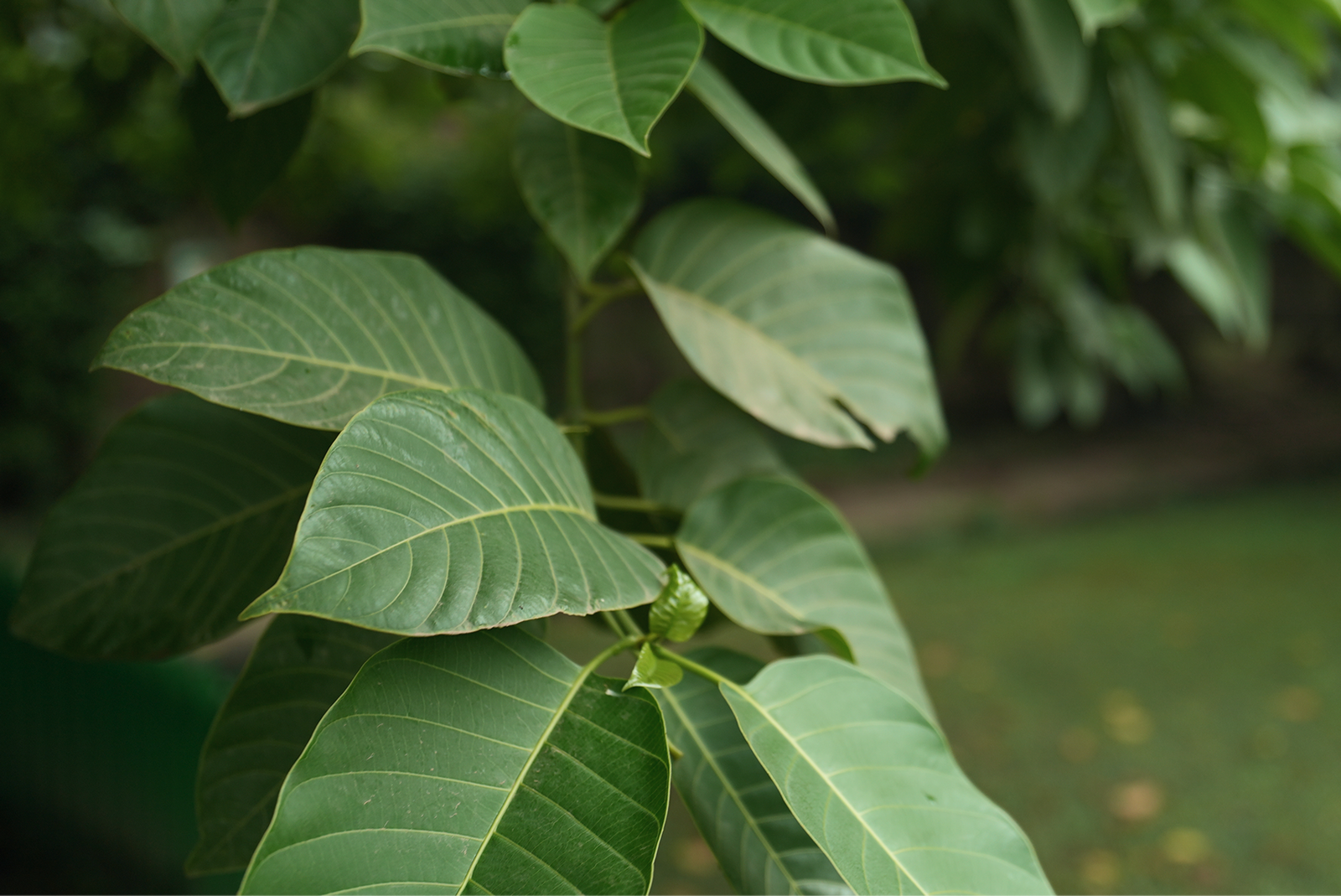
The Kalap Vriksh (Mitragyna parvifolia) is a majestic native tree species known for its exceptional longevity, massive trunk, and ecological importance. Mature specimens develop expansive canopies that provide shelter for birds, insects, and numerous other species while supporting healthy biodiversity.
Historically, the sacred Kalap Vriksh at Attari was renowned for its enormous girth and extensive root system, making it one of Punjab’s most extraordinary heritage trees. Its preservation highlights the importance of conserving genetically valuable native trees for future generations.
- Species: Mitragyna parvifolia (Kalap Vriksh)
- Native Heritage: Renowned for its massive trunk and exceptional longevity
- Ecological Value: Supports biodiversity and native wildlife
Recognizing the exceptional historical and ecological significance of the Kalap Vriksh, renowned conservationist D.S. Jaspal initiated scientific clonal propagation before the original tree declined.
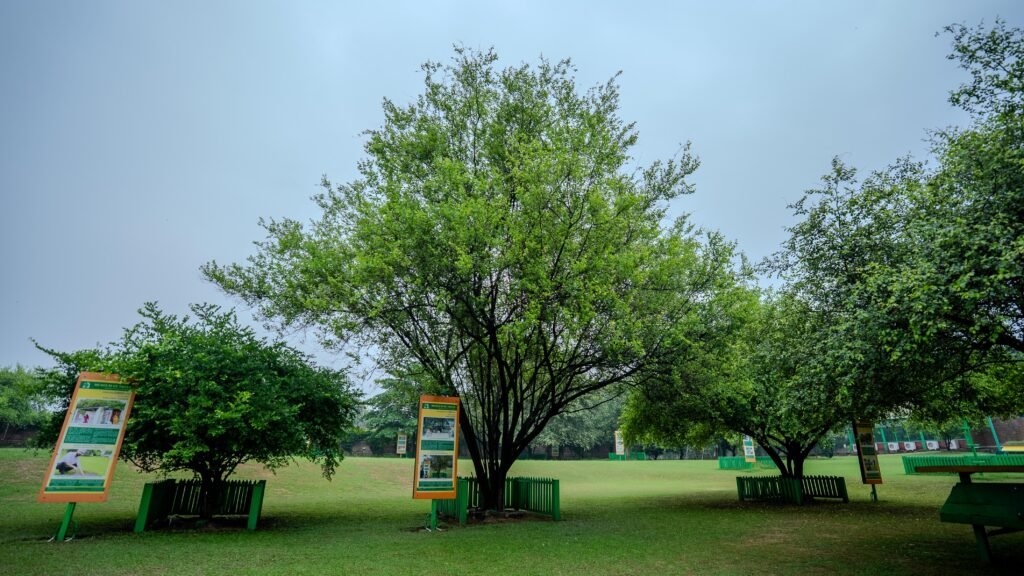
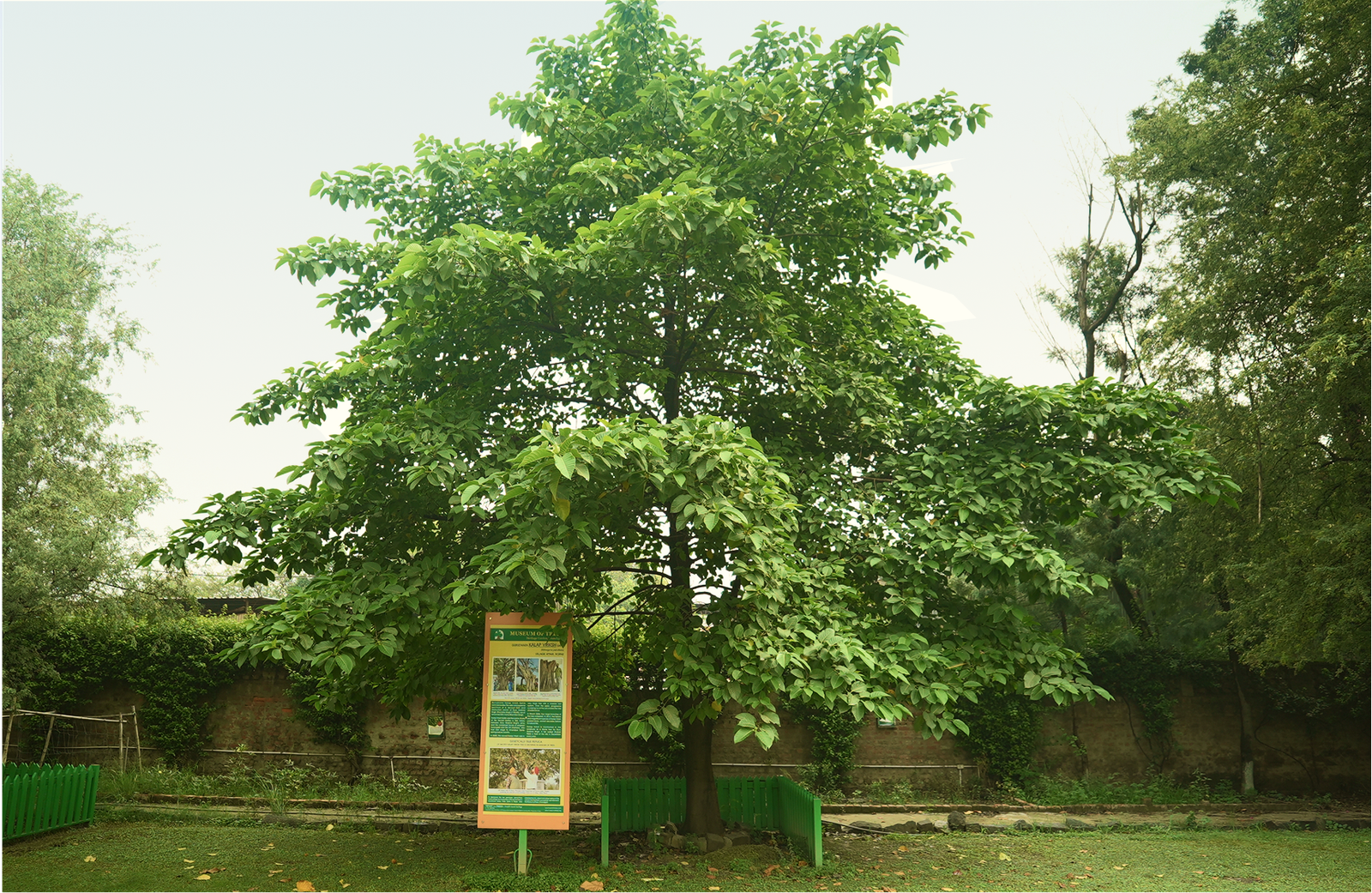
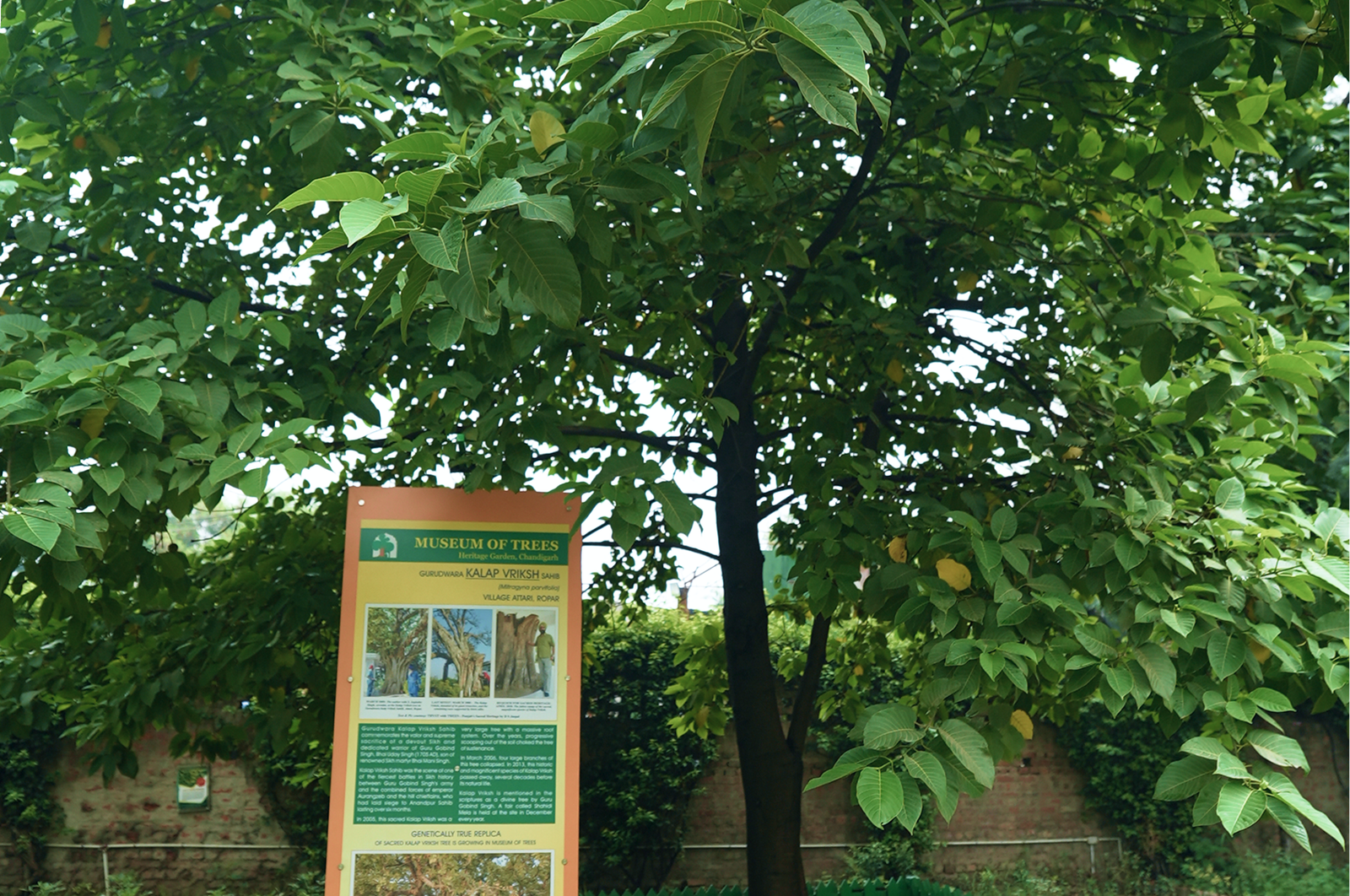
Healthy pencil-thick hardwood cuttings were carefully collected from the sacred tree and rooted using controlled propagation techniques. These efforts successfully produced genetically identical descendants, one of which continues to thrive at the Museum of Trees in Chandigarh.
Today, the preserved replica serves as a living continuation of the original Kalap Vriksh, ensuring that its remarkable heritage remains alive for generations to come.
- Genetic lineage preserved through clonal propagation
- Hardwood cuttings rooted using controlled techniques
- Genetically identical descendant thriving at the Museum of Trees
The Journey of the Sacred Tree
Discover how this historic tree continues to inspire generations.
From its sacred origins to its preserved legacy.
The sacred Kalap Vriksh flourished at Gurudwara Kalap Vriksh Sahib, witnessing important events in Sikh history.
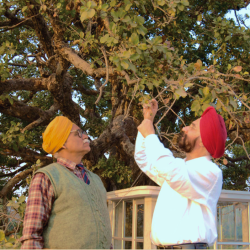
Healthy hardwood cuttings were carefully collected to preserve the tree's unique genetic lineage.
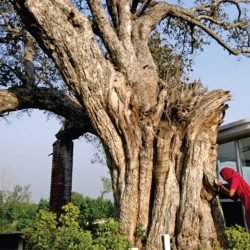
The cuttings were rooted under controlled conditions, producing genetically true replicas.
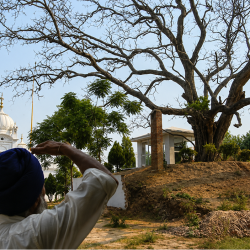
Large branches collapsed in 2006, and the original heritage tree gradually completed its natural life cycle by 2013.
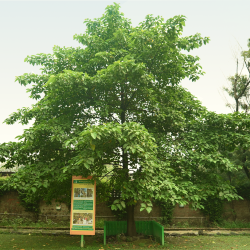
A genetically identical descendant continues to grow at the Museum of Trees, preserving the legacy of the sacred Kalap Vriksh.
Why Choose Us
Preserving the Legacy
Although the original Kalap Vriksh has completed its natural journey, its legacy continues through scientific conservation. The Museum of Trees has successfully safeguarded its genetic lineage, allowing future generations to experience one of Punjab’s most historically significant heritage trees.
The preserved descendant stands as a powerful reminder that while ancient trees may eventually perish, their heritage can continue through thoughtful conservation and scientific propagation.
- Sacred heritage preserved from Gurudwara Kalap Vriksh Sahib
- Associated with Bhai Uday Singh Ji and Guru Gobind Singh Ji
- One of Punjab's most significant heritage trees
- Genetic lineage successfully conserved through clonal propagation
- A living descendant continues to thrive at the Museum of Trees
Our Vision
To create a future where every heritage tree is recognised as a living monument—preserved not only for its ecological value, but also for the history, faith, and cultural memories it carries. We envision a world where people reconnect with nature through stories, inspiring future generations to protect India’s living heritage with the same care as its monuments and museums.
Our Mission
The Museum of Trees is dedicated to identifying, conserving, and propagating heritage trees of ecological, historical, and spiritual significance. Through scientific preservation, research, education, exhibitions, and community outreach, we safeguard these living legacies while making their stories accessible to everyone. By combining conservation with public engagement, we aim to ensure that these remarkable trees continue to inspire generations to come.
Why Choose Us
Frequently Asked Questions
Why are these trees considered sacred?
Many of the trees are closely connected with Sikh Gurus, historical events, and centuries of devotion. They have become symbols of faith, remembrance, and cultural heritage that continue to inspire millions of visitors.
How does the museum preserve these trees?
The Museum of Trees uses careful propagation and long-term conservation practices to preserve the genetic lineage of each sacred tree while ensuring its story continues to grow for generations.
Are these the original sacred trees?
Yes. We use sustainable, environmentally friendly practices to create and maintain gardens that are healthy for both people and the planet. This includes organic fertilizers, water-efficient irrigation systems, composting, and plant selections that require less water and fewer chemical treatments. We can design your garden to be both beautiful and eco-conscious, so you can enjoy a green space that’s truly “green.”
What makes a tree part of the Museum of Trees?
Every tree in the museum is carefully propagated from a historically and spiritually significant sacred tree associated with Sikh Gurudwaras. Each specimen preserves the living lineage of the original while continuing its legacy for future generations.
How can I support the Museum of Trees?
You can contribute by adopting a tree, making a donation, becoming a member, or partnering with the museum to help preserve India’s living heritage for future generations.