The Story Behind the Tree
Why this tree is sacred?
The Beri Tree at Gurudwara Ber Sahib, Sultanpur Lodhi, is one of Sikhism’s most revered heritage trees, closely associated with Guru Nanak Dev Ji, the first Sikh Guru. According to Sikh tradition, Guru Nanak Dev Ji rested and meditated beneath this sacred Beri tree after emerging from the waters of the River Kali Bein, where he experienced profound spiritual enlightenment.
It was here that Guru Nanak Dev Ji proclaimed his timeless message of the Oneness of God, equality, compassion, and selfless service. For centuries, the Beri Tree has remained a sacred symbol of this transformative moment, welcoming devotees from around the world and preserving the birthplace of Sikh philosophy.
The Beri Tree is inseparably linked with Guru Nanak Dev Ji’s spiritual awakening and the beginning of his universal teachings. Beneath its branches, the Guru shared a message that transcended barriers of religion, caste, and status, emphasizing the unity of all humanity.
Today, the tree continues to inspire millions of devotees as a symbol of divine wisdom, humility, and the eternal values of truth, compassion, and selfless service that lie at the heart of Sikhism.

For more than four centuries, the Beri Tree has stood beside Gurudwara Ber Sahib, preserving the memory of one of the most significant events in Sikh history.
Following his enlightenment at the River Kali Bein, Guru Nanak Dev Ji rested beneath this tree before beginning his spiritual journey to spread the message of peace and universal brotherhood. Today, the tree remains a living landmark, connecting generations of visitors to the origins of Sikh philosophy.
- Original Location — Gurudwara Ber Sahib, Sultanpur Lodhi
- Historical Period — Over 400 Years Old
- Associated With — Guru Nanak Dev Ji
- Enduring Legacy— Birthplace of Sikh Philosophy
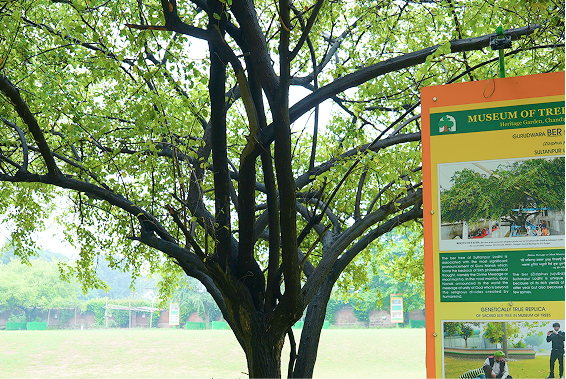
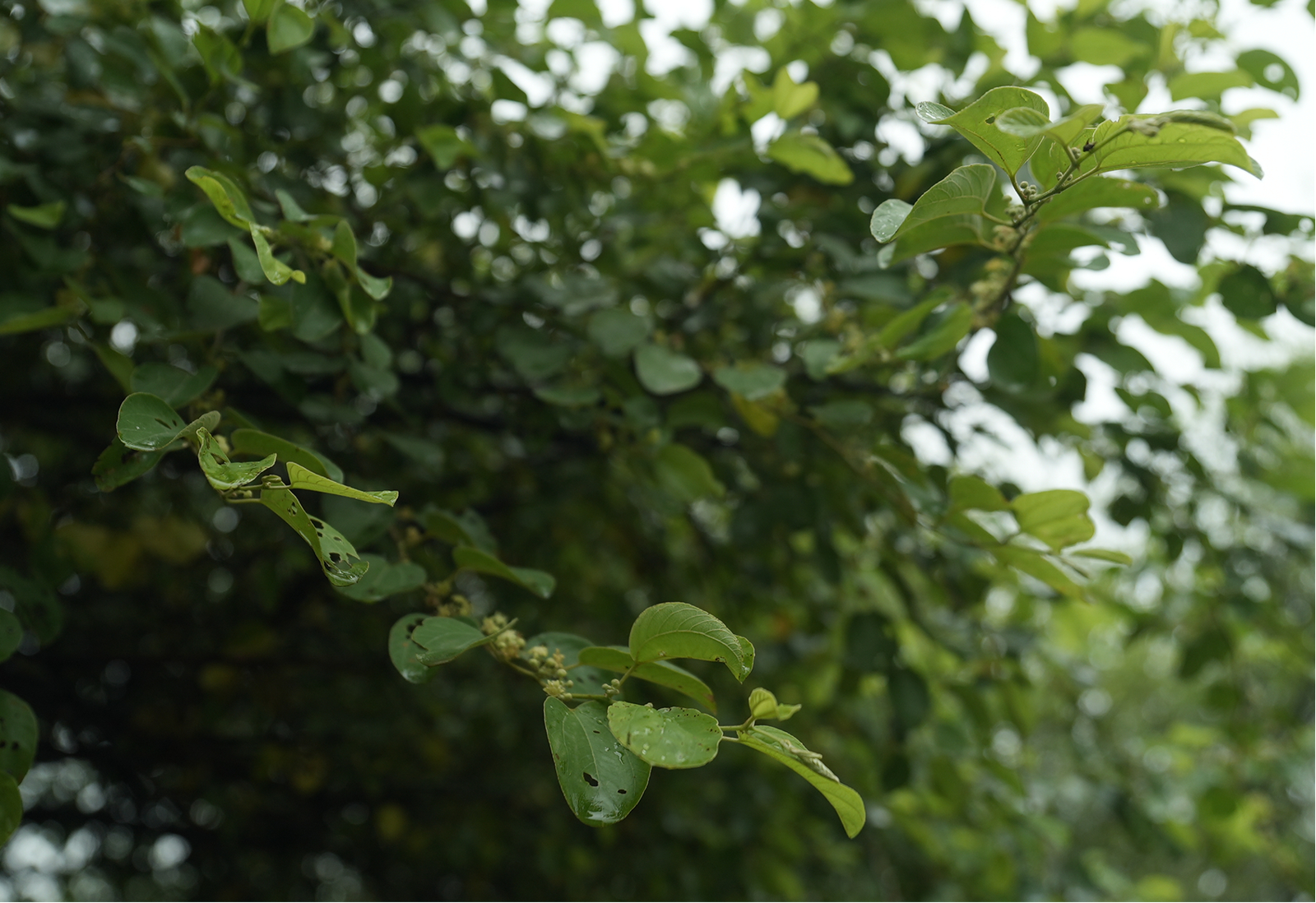
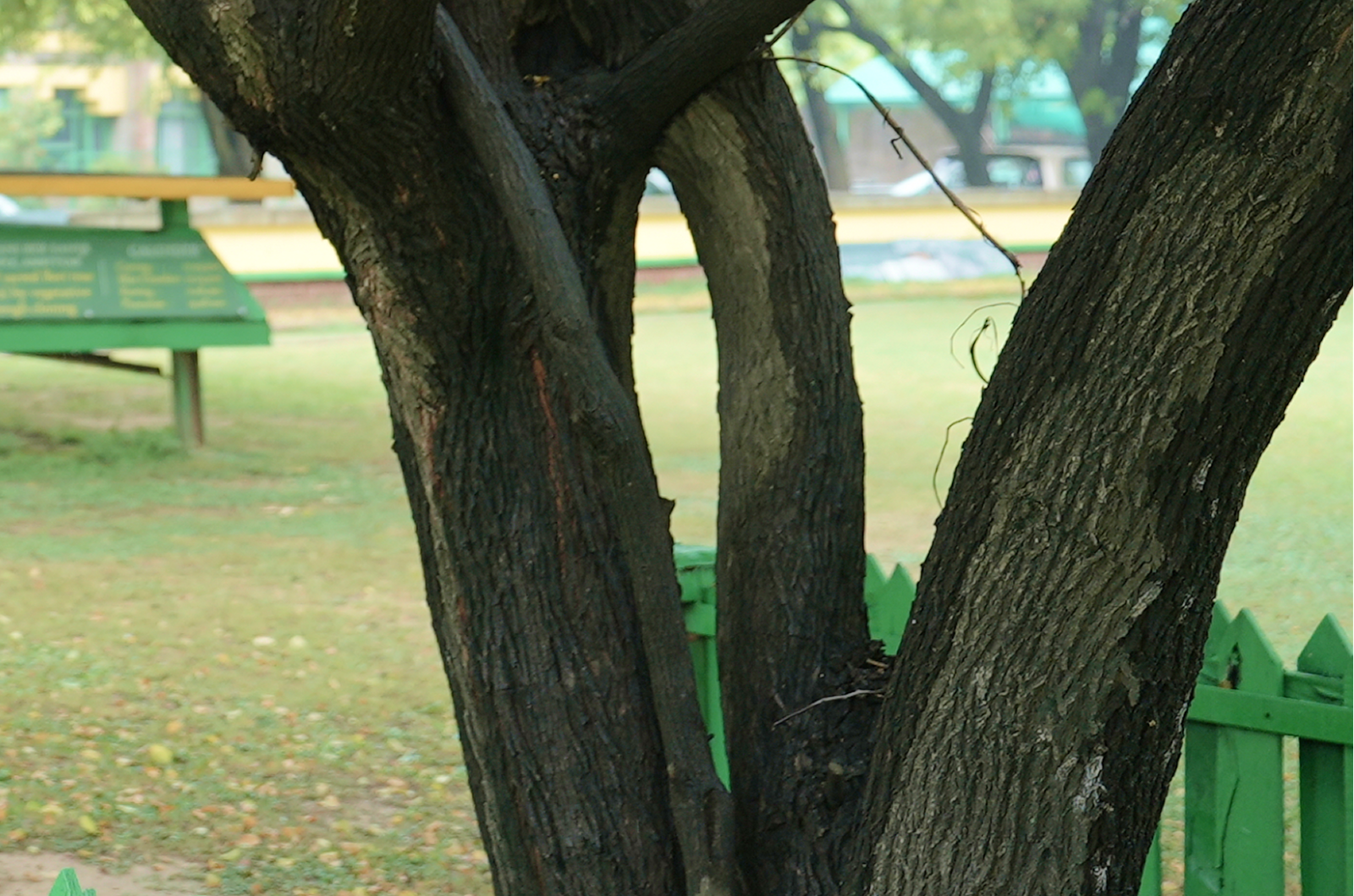
The sacred Beri Tree (Ziziphus mauritiana) is a resilient native species renowned for its longevity and ecological importance across the Indian subcontinent.
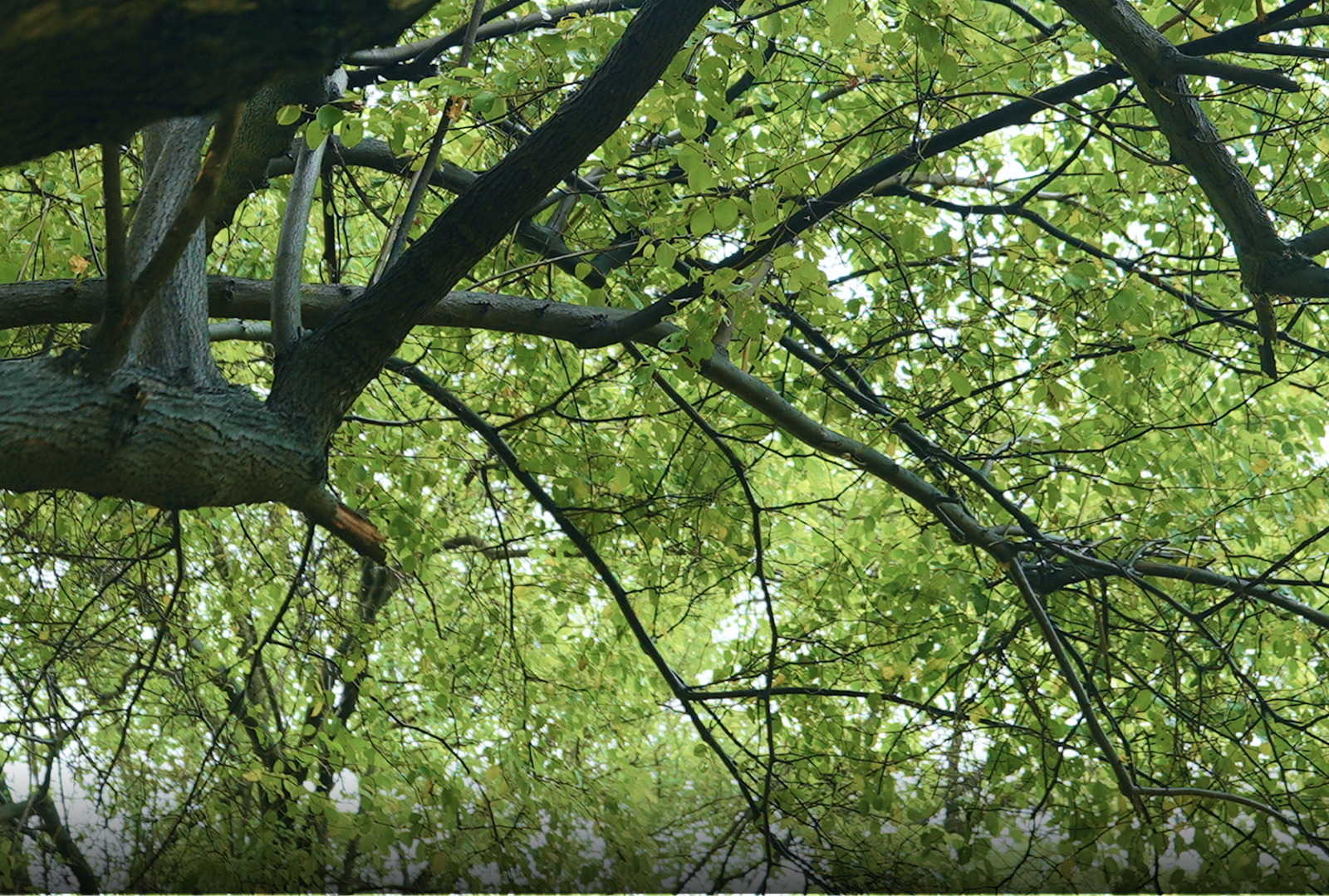
Its broad canopy provides shade and habitat for birds and wildlife while thriving in Punjab’s climate. Having survived for centuries, the tree represents both ecological resilience and living heritage, making it an invaluable part of India’s natural and cultural landscape.
- Species: Ziziphus mauritiana (Sacred Beri)
- Ecological Value: Provides habitat for birds and native wildlife
- Living Heritage: A centuries-old symbol of resilience and biodiversity
- Integration of lighting for ambiance and safety
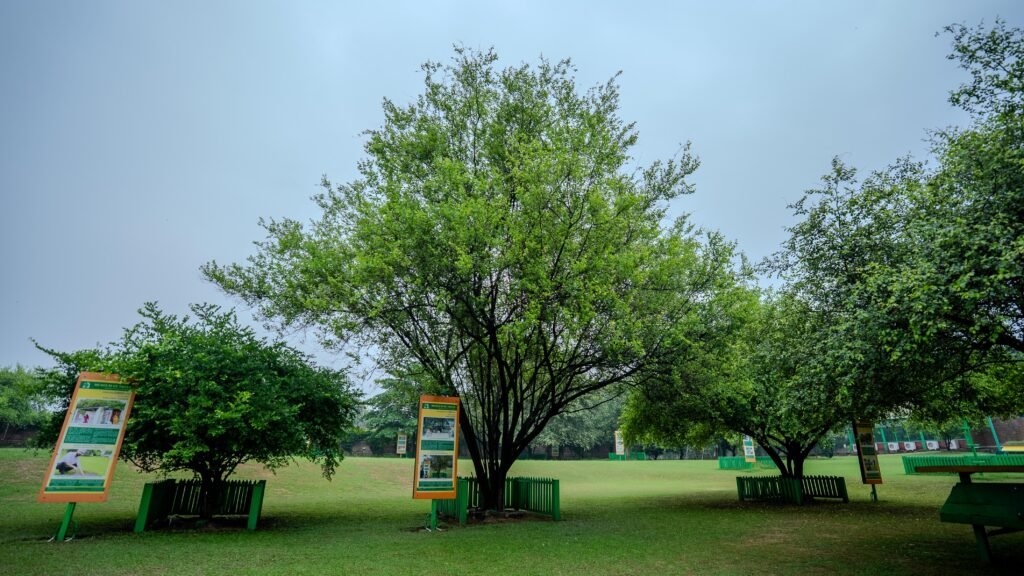
Recognizing the Beri Tree’s exceptional historical, spiritual, and ecological significance, the Museum of Trees preserved its genetic lineage through scientific clonal propagation.
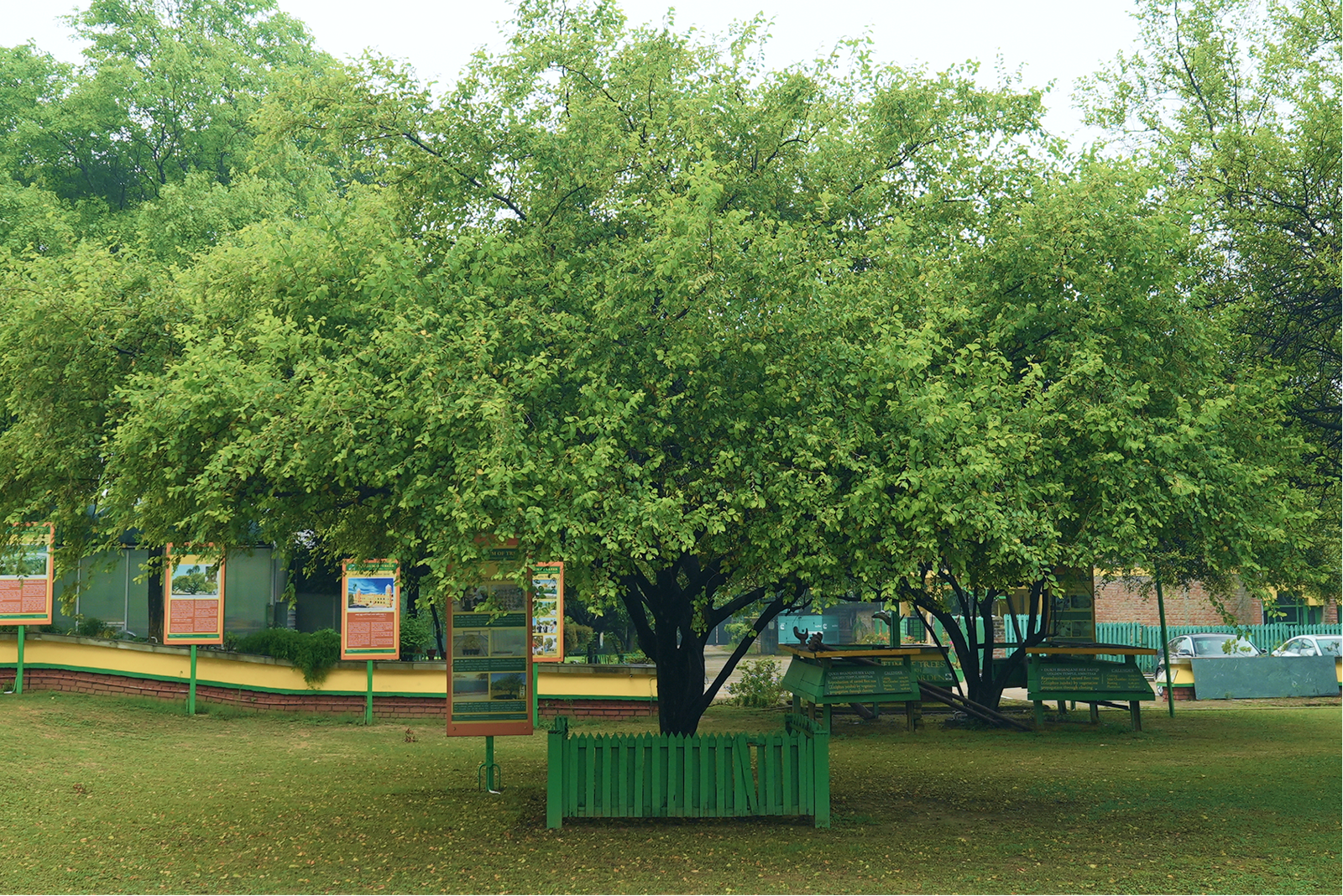
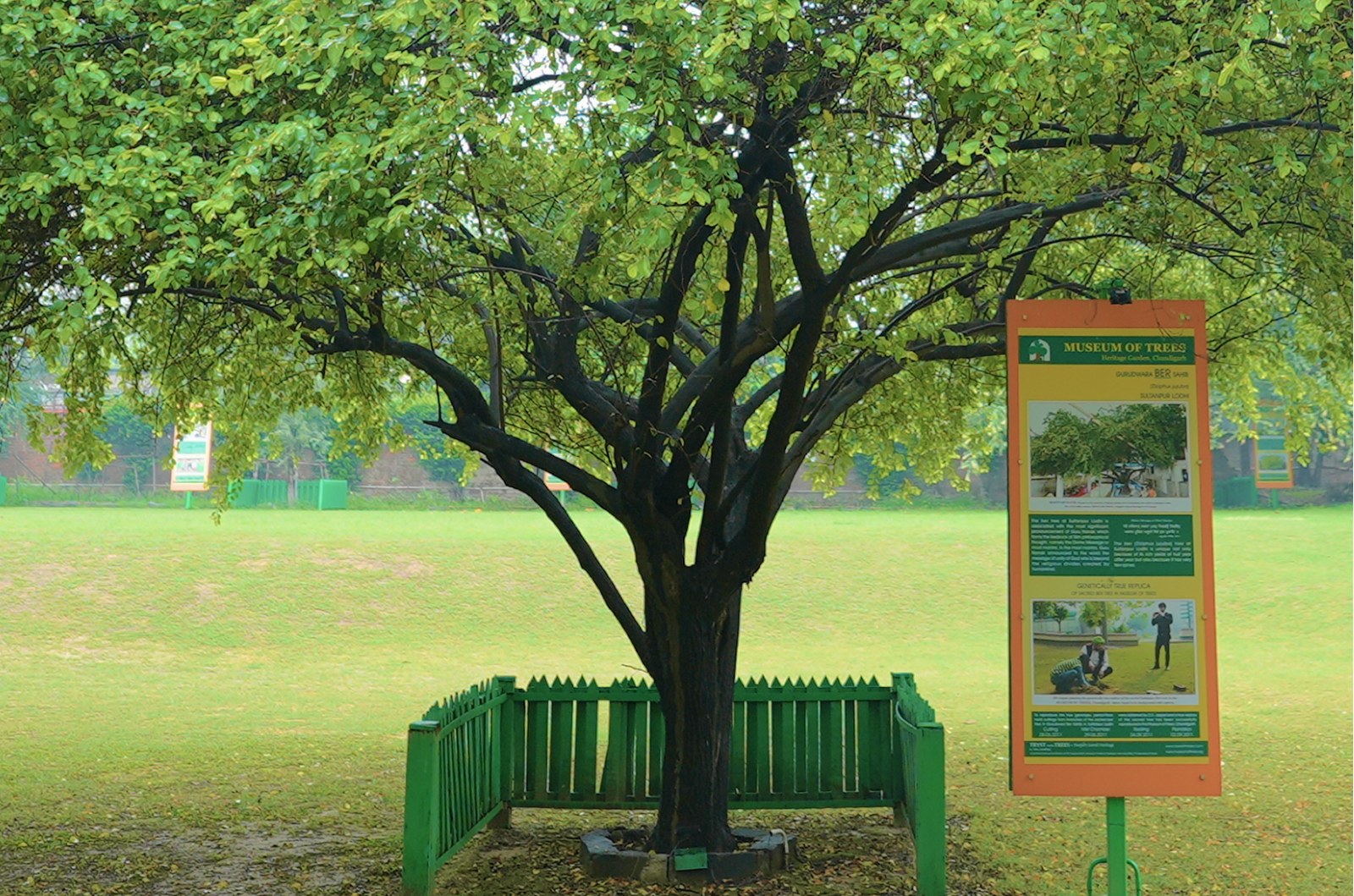
Healthy propagation material was carefully collected, rooted under controlled mist chamber conditions, and successfully established within the Museum. Today, a genetically identical descendant continues to thrive, ensuring that the living legacy of Guru Nanak Dev Ji continues to educate and inspire future generations.
- Spring planting and soil preparation
- Summer pruning and watering schedules
- Autumn leaf clearance and plant protection
- Winter pruning and frost protection
- Seasonal fertilization and mulching
The Journey of the Sacred Tree
Discover how this historic tree continues to inspire generations.
From its sacred origins to its preserved legacy.
The sacred Beri Tree associated with Guru Nanak Dev Ji at Gurudwara Ber Sahib.
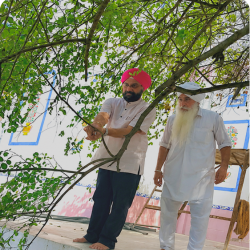
Genetically true cuttings collected without disturbing the original sacred tree.

Cuttings nurtured under controlled conditions for healthy root development.
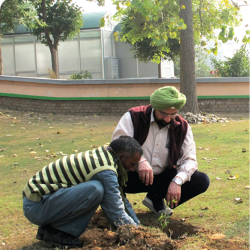
The preserved replica planted within the Museum of Trees.
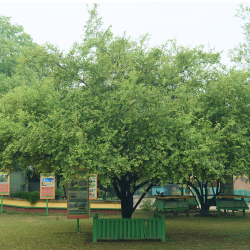
A conserved descendant continues to grow at the Museum of Trees.
The Journey of the Sacred Tree
Discover how this historic tree continues to inspire generations.
From its sacred origins to its preserved legacy.
The sacred Beri Tree associated with Guru Nanak Dev Ji at Gurudwara Ber Sahib.
Genetically true cuttings collected without disturbing the original sacred tree.
Cuttings nurtured under controlled conditions for healthy root development.
The preserved replica planted within the Museum of Trees.
A conserved descendant continues to grow at the Museum of Trees.
Why Choose Us
Preserving the Legacy
For centuries, Gurudwara Ber Sahib has protected the sacred Beri Tree associated with Guru Nanak Dev Ji’s spiritual enlightenment. Today, the Museum of Trees extends this legacy by conserving its genetically identical descendants, ensuring this remarkable living heritage continues to inspire generations.
- Sacred heritage preserved at Gurudwara Ber Sahib
- Associated with Guru Nanak Dev Ji's enlightenment
- Genetic lineage conserved through clonal propagation
- A living descendant continues to thrive at the Museum of Trees
Our Vision
To create a future where every heritage tree is recognised as a living monument—preserved not only for its ecological value, but also for the history, faith, and cultural memories it carries. We envision a world where people reconnect with nature through stories, inspiring future generations to protect India’s living heritage with the same care as its monuments and museums.
Our Mission
The Museum of Trees is dedicated to identifying, conserving, and propagating heritage trees of ecological, historical, and spiritual significance. Through scientific preservation, research, education, exhibitions, and community outreach, we safeguard these living legacies while making their stories accessible to everyone. By combining conservation with public engagement, we aim to ensure that these remarkable trees continue to inspire generations to come.
Why Choose Us
Frequently Asked Questions
Why are these trees considered sacred?
Many of the trees are closely connected with Sikh Gurus, historical events, and centuries of devotion. They have become symbols of faith, remembrance, and cultural heritage that continue to inspire millions of visitors.
How does the museum preserve these trees?
The Museum of Trees uses careful propagation and long-term conservation practices to preserve the genetic lineage of each sacred tree while ensuring its story continues to grow for generations.
Are these the original sacred trees?
Yes. We use sustainable, environmentally friendly practices to create and maintain gardens that are healthy for both people and the planet. This includes organic fertilizers, water-efficient irrigation systems, composting, and plant selections that require less water and fewer chemical treatments. We can design your garden to be both beautiful and eco-conscious, so you can enjoy a green space that’s truly “green.”
What makes a tree part of the Museum of Trees?
Every tree in the museum is carefully propagated from a historically and spiritually significant sacred tree associated with Sikh Gurudwaras. Each specimen preserves the living lineage of the original while continuing its legacy for future generations.
How can I support the Museum of Trees?
You can contribute by adopting a tree, making a donation, becoming a member, or partnering with the museum to help preserve India’s living heritage for future generations.