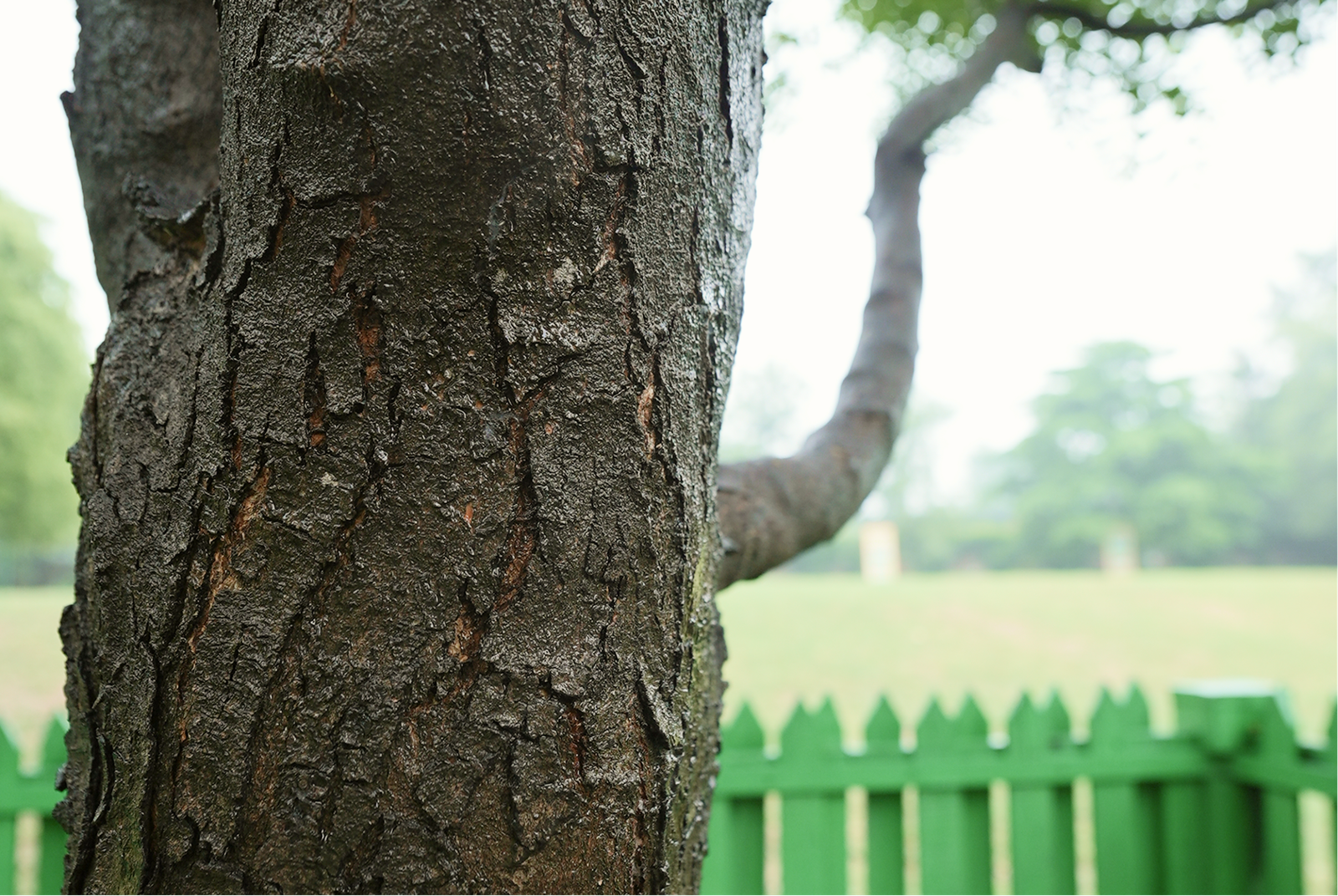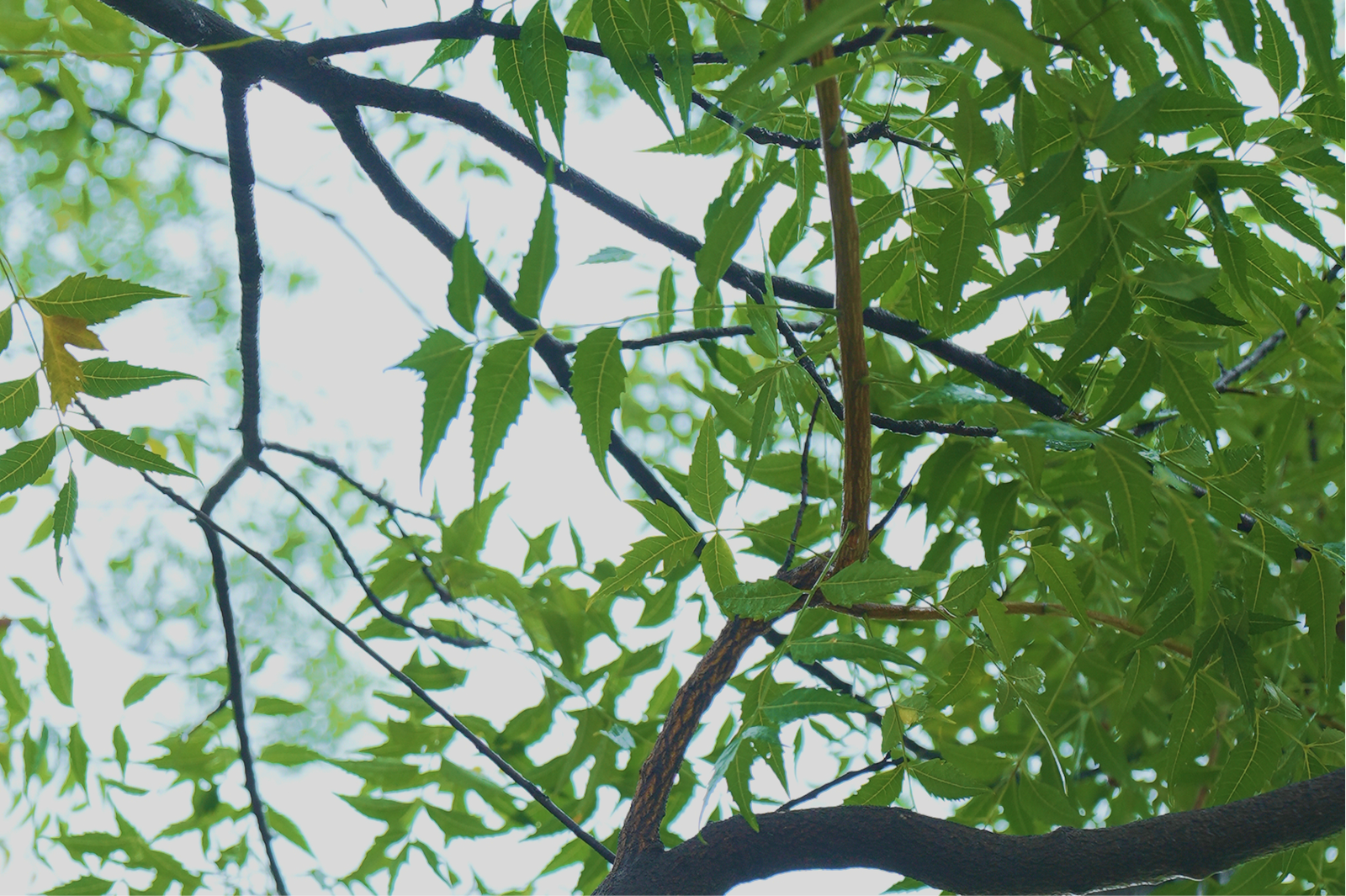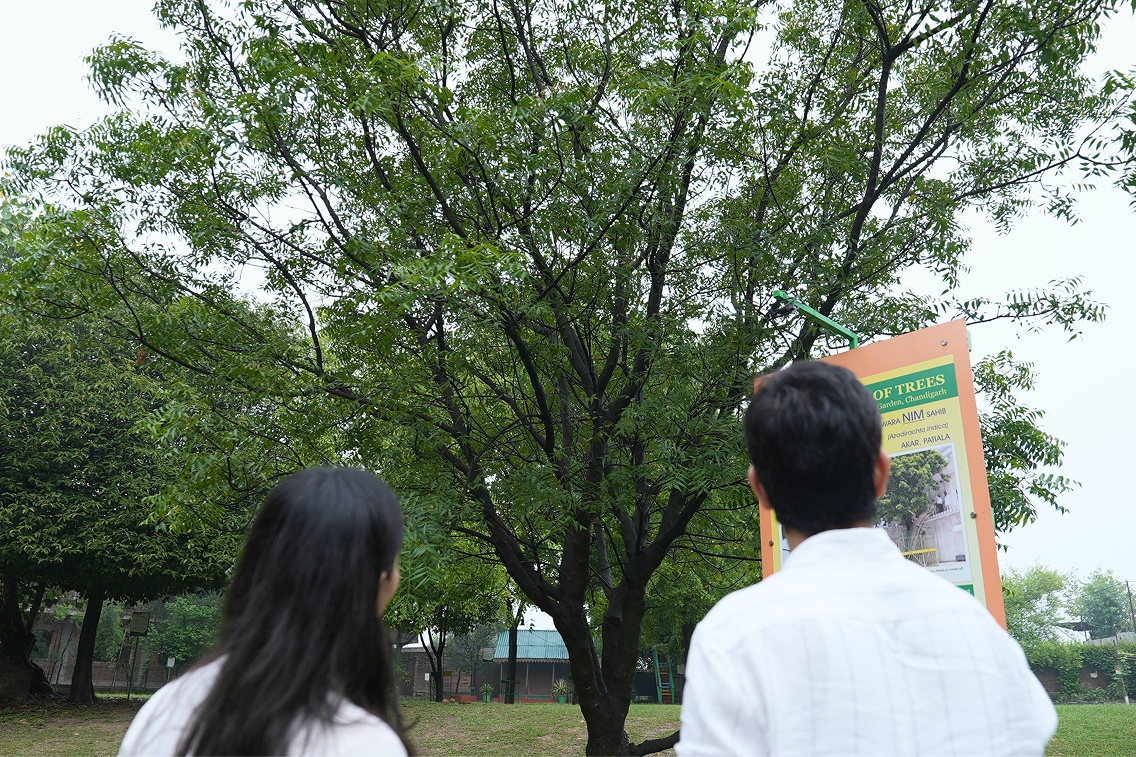
The Story Behind the Tree
Why this tree is sacred?
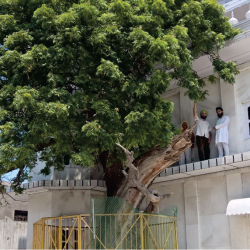
The Nim Tree at Gurudwara Nim Sahib, Patiala, is a revered heritage tree associated with Guru Tegh Bahadur Ji, the ninth Sikh Guru. According to Sikh tradition, Guru Tegh Bahadur Ji rested beneath this sacred Nim tree while travelling through the Malwa region. During his stay, the site became an important place of remembrance and devotion, where devotees gathered to receive his blessings and spiritual guidance.
For generations, the tree has stood as a silent witness to Sikh history, preserving the memory of Guru Tegh Bahadur Ji’s presence and his teachings of compassion, humility, courage, and unwavering faith. Today, it continues to inspire visitors as a symbol of spiritual strength and living heritage.
The Nim Tree is closely associated with Guru Tegh Bahadur Ji, whose life embodied sacrifice, courage, and selfless service. His stay beneath this sacred tree transformed the site into a place of devotion, where seekers gathered to receive his blessings and guidance.
Within Sikh tradition, the tree represents resilience, humility, and inner peace. It reminds visitors of Guru Tegh Bahadur Ji’s message of protecting righteousness, serving humanity, and remaining steadfast in faith even during adversity.

For more than two centuries, the Nim Tree has remained an enduring landmark at Gurudwara Nim Sahib, preserving the memory of Guru Tegh Bahadur Ji’s visit to Patiala.
The site commemorates the Guru’s journey through the Malwa region and continues to attract devotees who honour his teachings and legacy. Standing through generations, the tree remains a living reminder of Sikh history, faith, and the enduring bond between nature and spirituality.
- Original Location — Gurudwara Nim Sahib, Patiala
- Historical Period — Over 250 Years Old
- Associated With — Guru Tegh Bahadur Ji
- Enduring Legacy — A Living Symbol of Faith & Resilience
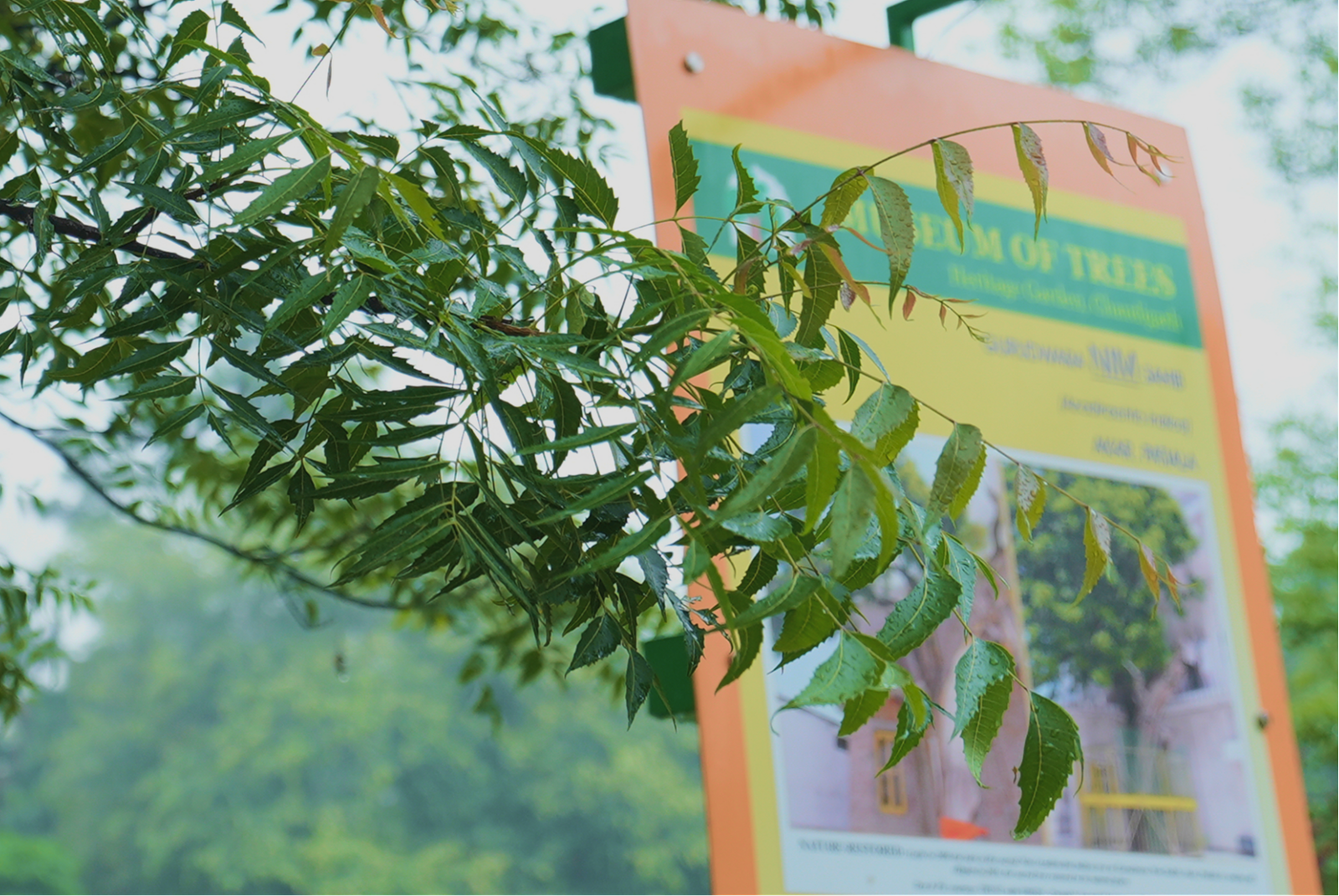
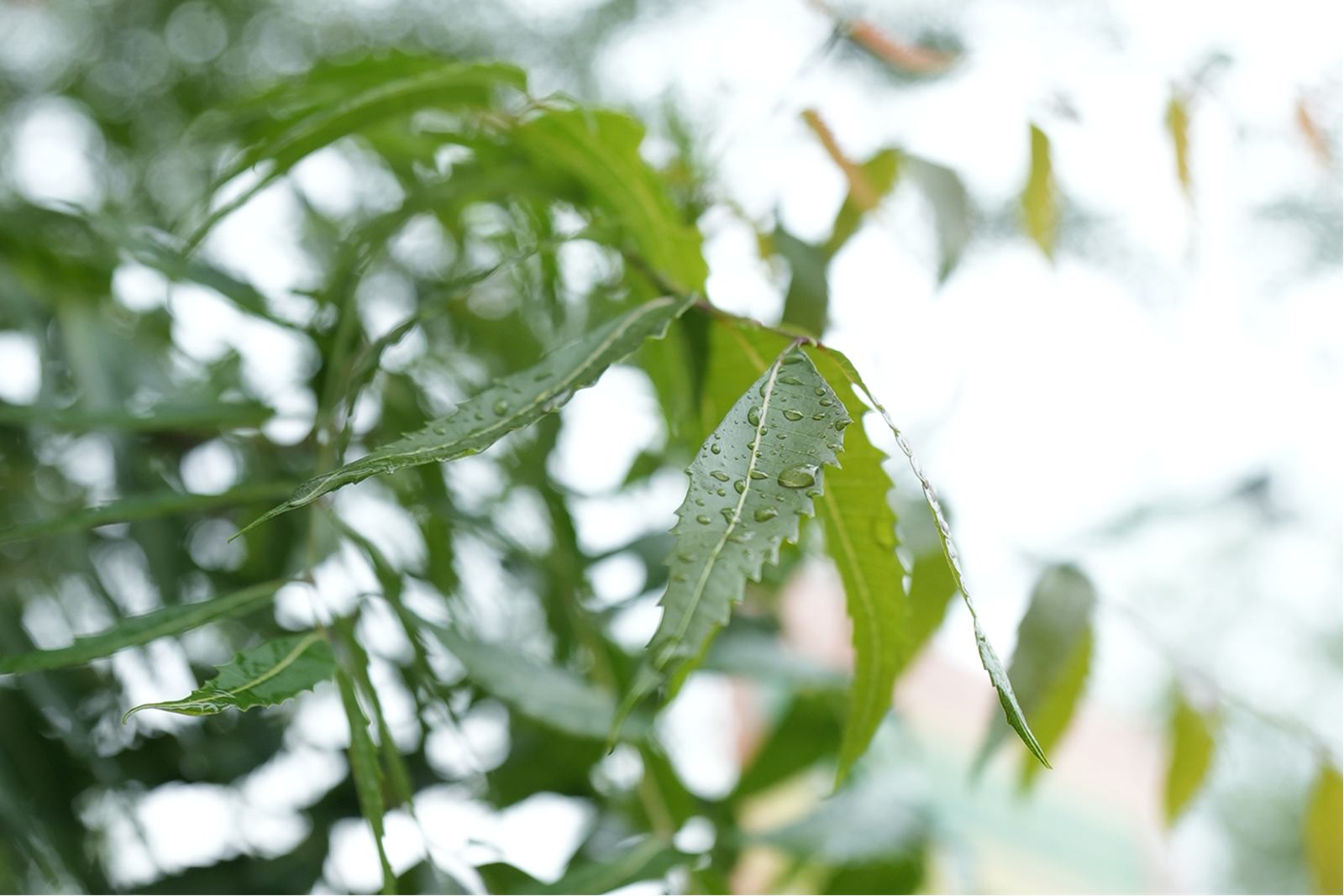
The sacred tree belongs to the species Azadirachta indica (Nim), one of India’s most valued native trees, celebrated for its remarkable medicinal and ecological importance.
Renowned for its resilience, longevity, and natural healing properties, the Nim tree supports biodiversity while thriving in diverse climatic conditions. Its dense canopy, air-purifying qualities, and centuries-long lifespan make it both a significant heritage tree and an important part of India’s natural legacy.
- Species: Azadirachta indica (Nim)
- Medicinal Value: Renowned for its natural healing properties
- Ecological Role: Supports biodiversity and purifies the environment
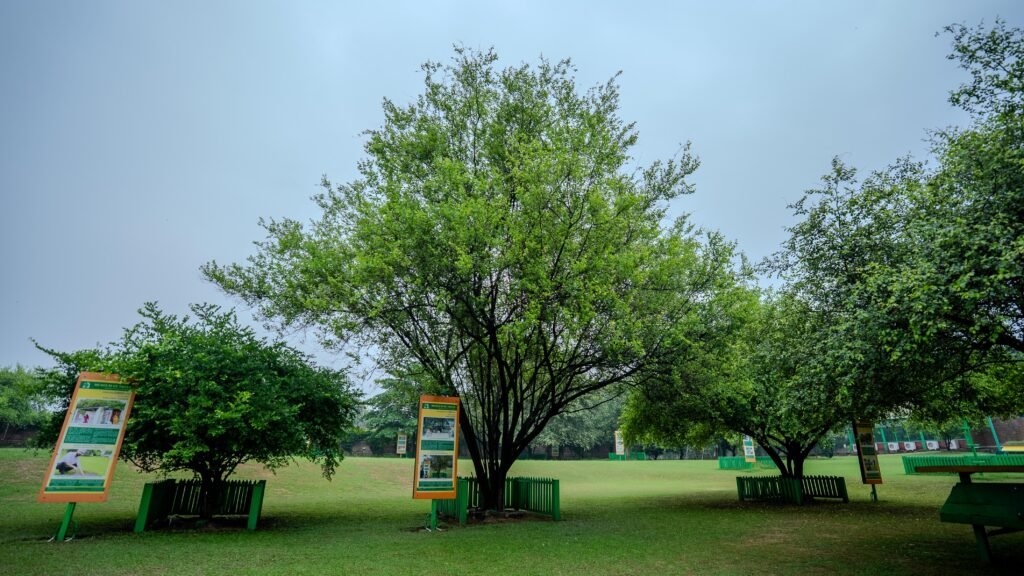
Recognizing the historical, spiritual, and ecological significance of the Nim Tree, the Museum of Trees preserved its genetic lineage through scientific clonal propagation.
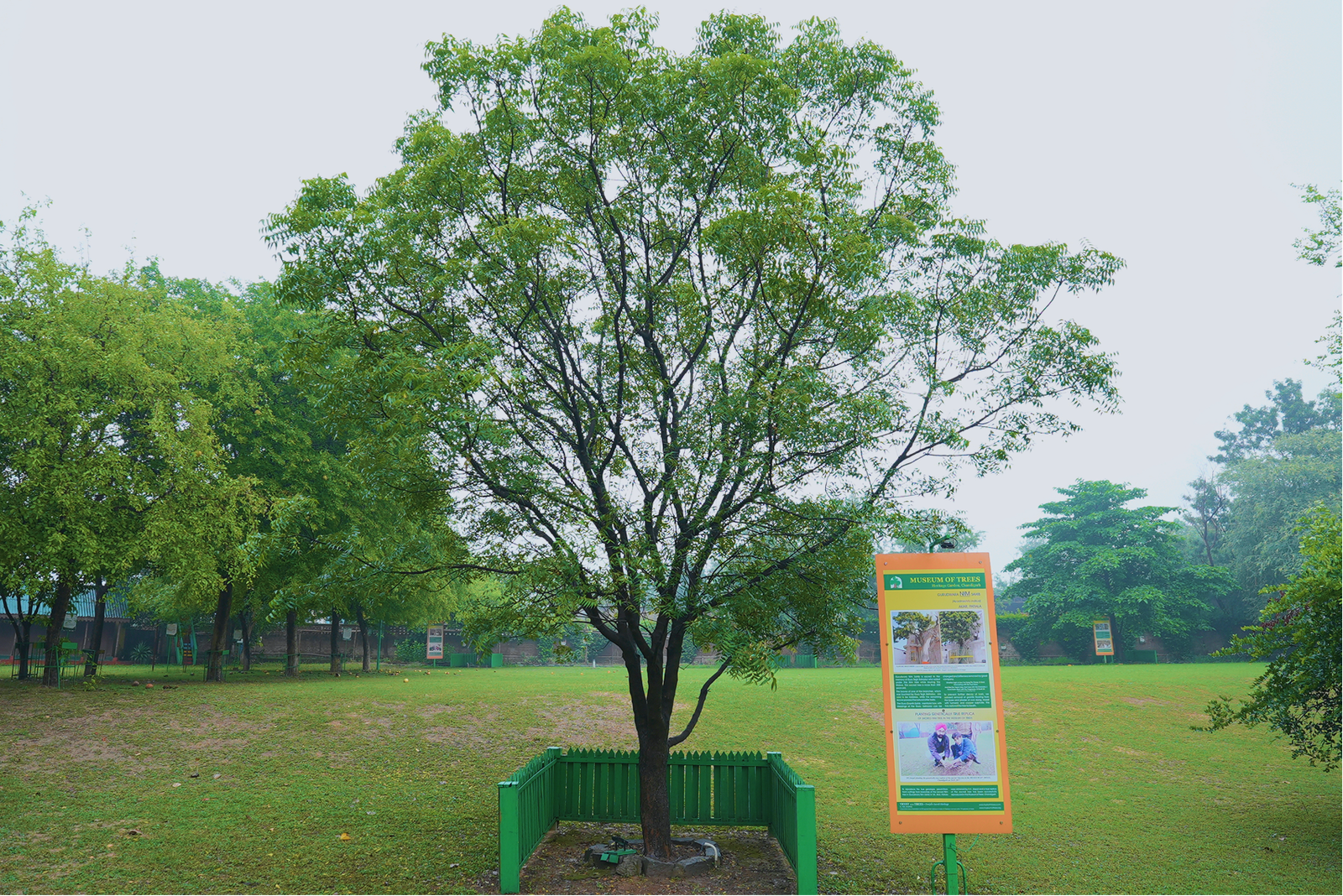
Healthy propagation material was carefully collected, rooted under controlled mist chamber conditions, and successfully established within the Museum. Today, a genetically identical descendant continues to thrive, ensuring that this sacred legacy of Guru Tegh Bahadur Ji is preserved for future generations.
- Genetic lineage preserved through clonal propagation
- Rooted under controlled mist chamber conditions
- Genetically identical descendant thriving at the Museum of Trees
The Journey of the Sacred Tree
Discover how this historic tree continues to inspire generations.
From its sacred origins to its preserved legacy.
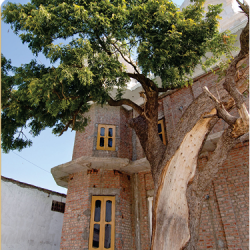
The sacred Nim Tree associated with Guru Tegh Bahadur Ji at Gurudwara Nim Sahib.
Genetically true cuttings collected without disturbing the original sacred tree.

Cuttings nurtured under controlled conditions to encourage healthy root development.
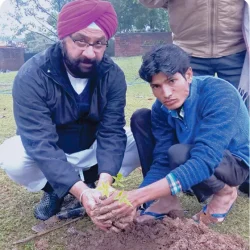
The preserved replica planted within the Museum of Trees.
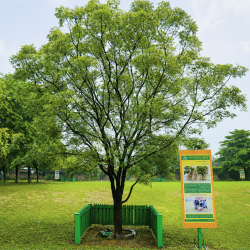
A conserved descendant continues to grow at the Museum of Trees.
Why Choose Us
Preserving the legacy
For generations, Gurudwara Nim Sahib has safeguarded the sacred Nim Tree associated with Guru Tegh Bahadur Ji. Today, the Museum of Trees extends this legacy by conserving its genetically identical descendants for future generations.
- Sacred heritage preserved at Gurudwara Nim Sahib
- Associated with Guru Tegh Bahadur Ji's historic visit
- Genetic lineage conserved through clonal propagation
- A living descendant continues to thrive at the Museum of Trees
Our Vision
To create a future where every heritage tree is recognised as a living monument—preserved not only for its ecological value, but also for the history, faith, and cultural memories it carries. We envision a world where people reconnect with nature through stories, inspiring future generations to protect India’s living heritage with the same care as its monuments and museums.
Our Mission
The Museum of Trees is dedicated to identifying, conserving, and propagating heritage trees of ecological, historical, and spiritual significance. Through scientific preservation, research, education, exhibitions, and community outreach, we safeguard these living legacies while making their stories accessible to everyone. By combining conservation with public engagement, we aim to ensure that these remarkable trees continue to inspire generations to come.
Why Choose Us
Frequently Asked Questions
Why are these trees considered sacred?
Many of the trees are closely connected with Sikh Gurus, historical events, and centuries of devotion. They have become symbols of faith, remembrance, and cultural heritage that continue to inspire millions of visitors.
How does the museum preserve these trees?
The Museum of Trees uses careful propagation and long-term conservation practices to preserve the genetic lineage of each sacred tree while ensuring its story continues to grow for generations.
Are these the original sacred trees?
Yes. We use sustainable, environmentally friendly practices to create and maintain gardens that are healthy for both people and the planet. This includes organic fertilizers, water-efficient irrigation systems, composting, and plant selections that require less water and fewer chemical treatments. We can design your garden to be both beautiful and eco-conscious, so you can enjoy a green space that’s truly “green.”
What makes a tree part of the Museum of Trees?
Every tree in the museum is carefully propagated from a historically and spiritually significant sacred tree associated with Sikh Gurudwaras. Each specimen preserves the living lineage of the original while continuing its legacy for future generations.
How can I support the Museum of Trees?
You can contribute by adopting a tree, making a donation, becoming a member, or partnering with the museum to help preserve India’s living heritage for future generations.